
Elevating guest spaces without costly downtime
In today’s competitive market, hospitality design goes far beyond aesthetics. Hotels, resorts, restaurants, and entertainment spaces must deliver memorable experiences while balancing durability, efficiency, and budget. Designers and property owners are constantly searching for innovative materials that elevate interiors without extending downtime or inflating renovation costs.
Architectural films have quickly become a preferred solution in modern hospitality design. Here’s why
1. Elevated Aesthetics Without Structural Renovation
Hospitality spaces must impress from the first impression. Whether it’s a boutique hotel lobby, a restaurant feature wall, or a luxury suite. Architectural films offer high-end finishes such as wood grains, marble, stone, metal, leather, and textured patterns without the need for demolition or replacement.
Instead of removing existing substrates, films are applied directly to surfaces like walls, millwork, doors, elevators, and furniture. This allows designers to completely transform a space while maintaining structural integrity, a major advantage in hospitality projects where timelines are tight.
2. Minimal Downtime for Ongoing Operations
One of the biggest challenges in hospitality design is renovation while staying operational. Closing floors or entire properties leads to revenue loss and guest disruption.
Architectural films are clean and fast to install, producing minimal noise, dust, or debris. Many upgrades can be completed overnight or in phases, allowing hotels and restaurants to continue serving guests during renovations. For owners and operators, this means design upgrades without sacrificing occupancy rates.
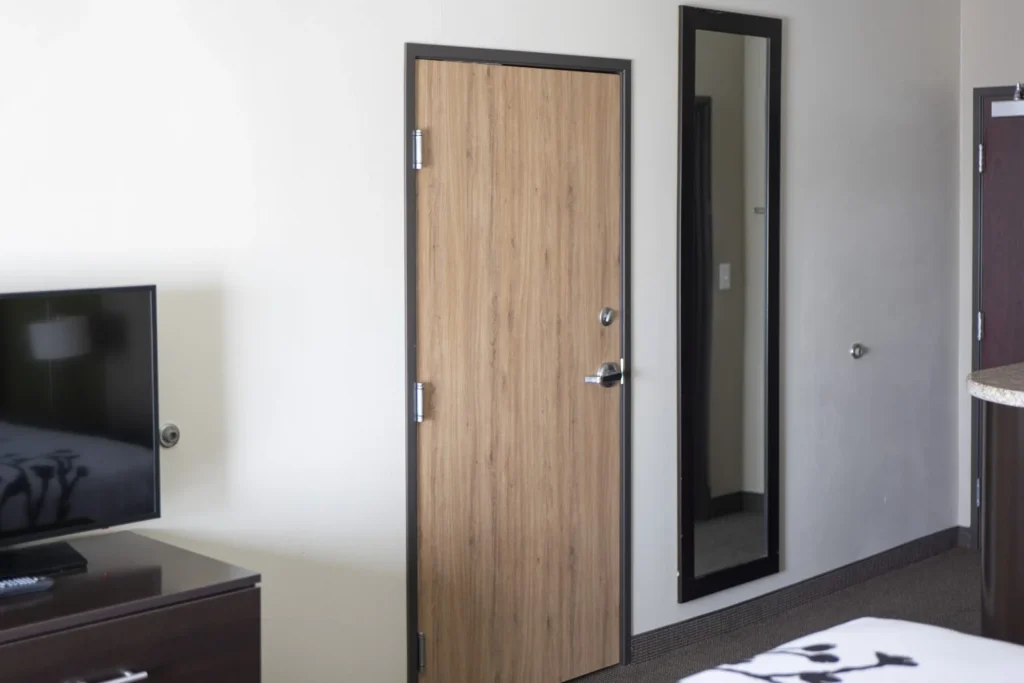
3. Cost-Effective Luxury
Hospitality design often calls for premium finishes, but natural materials like marble, exotic wood, or custom metalwork can dramatically increase costs.
Architectural films replicate these high-end looks at a fraction of the price. This allows designers to allocate budget strategically, investing in guest experience elements while still achieving a sophisticated aesthetic throughout the property. For multi-location brands, films also make it easier to standardize design concepts without exceeding budget constraints.
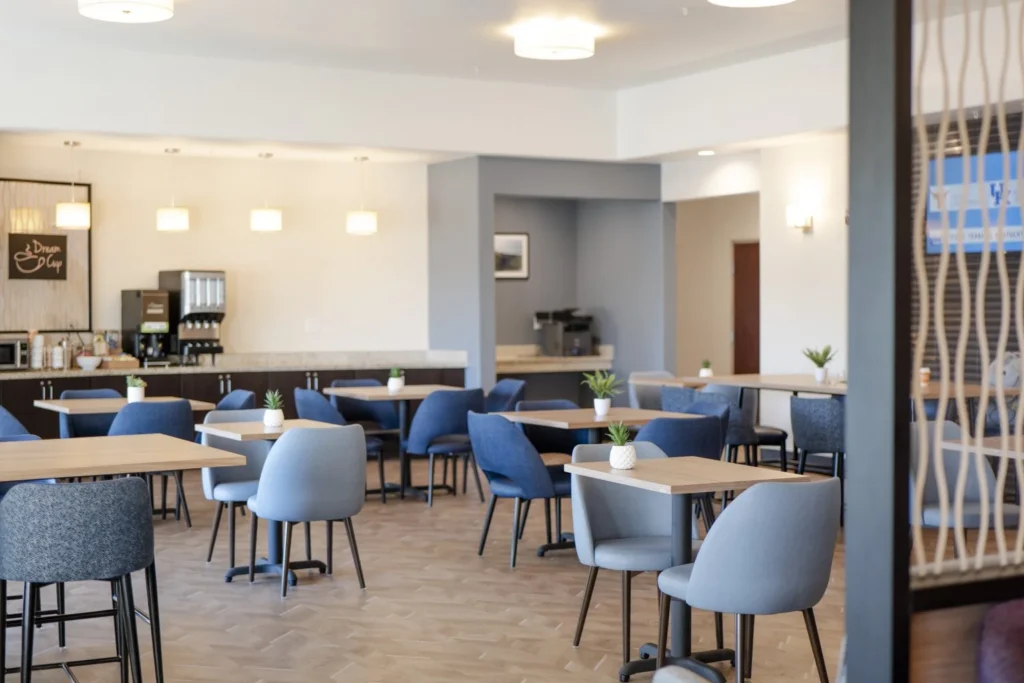
4. Durability for High-Traffic Environments
Hospitality spaces experience constant use: luggage rolling across surfaces, frequent cleaning, guest turnover, and daily wear.
High-quality architectural films are engineered for commercial durability. Many options offer resistance to scratches, moisture, and impact, making them ideal for guest rooms, corridors, reception desks, elevators, and restaurant interiors. This resilience ensures that hospitality design remains visually consistent and professional over time.
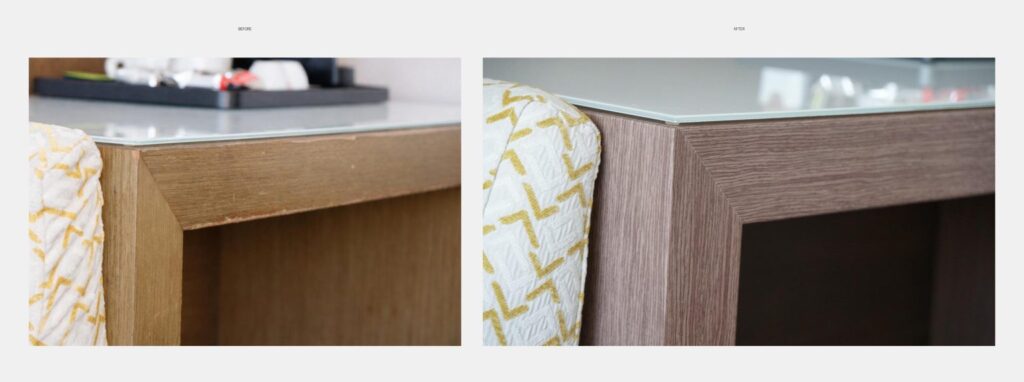
5. Sustainable and Responsible Renovation
Sustainability has become a major priority in hospitality design. More properties are seeking environmentally responsible solutions that reduce waste and minimize environmental impact.
Architectural films support sustainable renovation by allowing existing surfaces to be refinished rather than discarded. This reduces construction waste and lowers the carbon footprint associated with demolition and material replacement. For hospitality brands aiming to align with ESG goals, this approach provides both aesthetic and environmental benefits
Why Architectural Films Belong in Modern Hospitality Design
Hospitality design demands flexibility, speed, durability, and visual impact. Architectural films check all these boxes, making them an ideal solution for hotels, restaurants, resorts, cruise ships, and commercial entertainment spaces.
At Bodaq, we work closely with designers, architects, and property managers to deliver innovative surface solutions that transform interiors efficiently and beautifully.
If you’re planning your next hospitality renovation or new-build project, discover how architectural films can help you create memorable spaces, without compromise.