What’s New in Interior Design?
Discover 2026 interior design trends and how to follow them without expensive renovations or long downtime
Interior design trends in 2026 is all about balance: aesthetics and performance, sustainability and innovation, luxury and affordability. As spaces continue to evolve faster than ever, designers, architects, and property owners are looking for solutions that allow them to stay on trend without the high costs, long timelines, and waste associated with traditional renovations.
This is where architectural films, like Bodaq® Interior Films, are redefining how interiors are designed, refreshed, and future-proofed. Below, we explore the top interior design trends for 2026 and how architectural films make it easier than ever to adopt them.
1. Sustainable & Circular Design
Sustainability is no longer a trend, it’s an expectation. In 2026, interior design prioritizes low-impact materials, waste reduction, and circular renovation strategies.
Instead of removing and replacing furniture, walls, and millwork, designers are choosing to refinish existing surfaces. Architectural films allow surfaces to be renewed rather than demolished, significantly reducing landfill waste and carbon footprint.
How architectural films help:
- Extend the life of furniture, doors, walls, and casework
- Reduce demolition waste
- Lower embodied carbon compared to new materials
- Support ESG goals for commercial projects
Architectural films align perfectly with sustainable design principles while maintaining a premium look.
2. Natural Materials & Biophilic Aesthetics
Nature-inspired interiors continue to dominate in 2026. Expect to see wood grains, stone textures, linen finishes, and soft organic patterns across residential, hospitality, and workplace spaces.
Architectural films now replicate natural materials with remarkable realism, often indistinguishable from the real thing.
Popular looks for 2026:
- Light oak and warm walnut tones
- Travertine and limestone-inspired surfaces
- Soft matte textures with low reflectivity
- All available in our catalog.
Why films work:
- Achieve the look of premium materials at a fraction of the cost
- Avoid maintenance challenges of real stone or wood
- Consistent finish across large-scale projects
3. Matte, Soft-Touch & Low-Gloss Finishes
High-gloss surfaces are taking a step back. In 2026, interiors favor matte and soft-touch finishes that feel calm, refined, and modern.
These finishes reduce glare, hide fingerprints, and create a more tactile, inviting environment, especially important in hospitality, healthcare, and office spaces.
Architectural films offer:
- Super-matte and satin finishes
- Anti-fingerprint properties
- A premium, contemporary aesthetic
This trend pairs beautifully with neutral palettes and minimalist design.
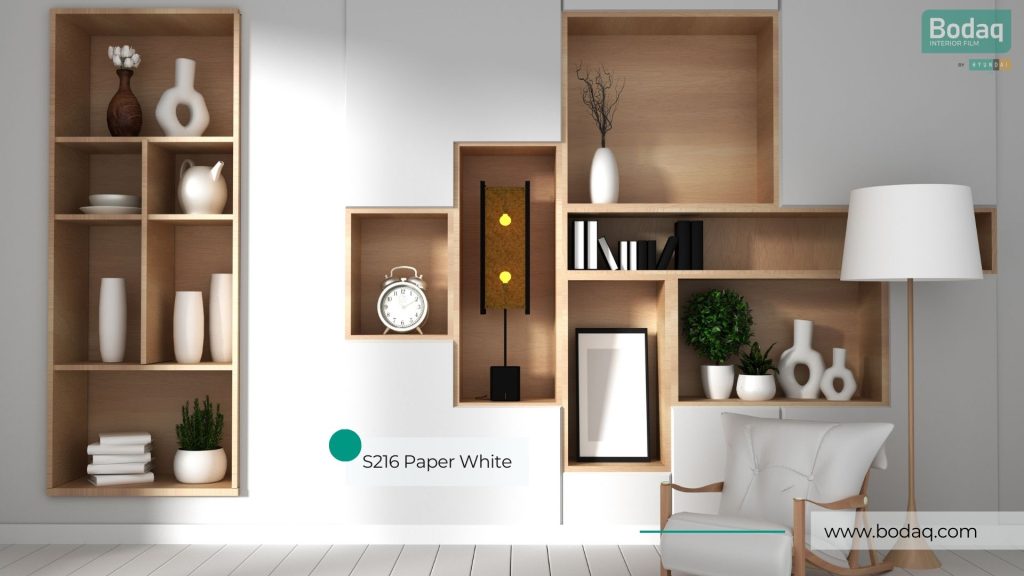
4. Warm Neutrals & Elevated Minimalism
Minimalism in 2026 is warmer and more expressive. Instead of stark whites and cold grays, designers are using:
- Beige, greige, and taupe
- Warm woods and sand tones
- Subtle texture over bold ornamentation
Architectural films make it easy to update outdated interiors without overdesigning the space.
Perfect for:
- Hotels refreshing guest rooms
- Offices modernizing workspaces
- Residential renovations with limited downtime
A simple film application can completely transform the mood of a space while maintaining a clean, timeless look.
5. Fast Renovations & Minimal Downtime
Speed is a defining factor in 2026 design decisions, especially in commercial environments.
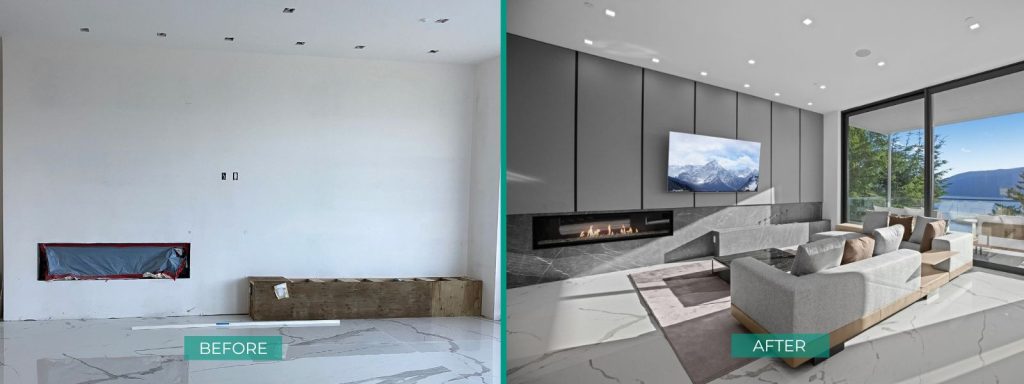
Hotels, retail spaces, restaurants, and offices cannot afford long closures. Architectural films allow renovations to happen on-site, dust-free, and up to 70% faster than traditional methods.
Key advantages:
- No demolition required
- Quiet installation
- Spaces can often remain operational
- Faster ROI
This makes architectural films an essential tool for trend-driven renovations.
6. Customization & Design Flexibility
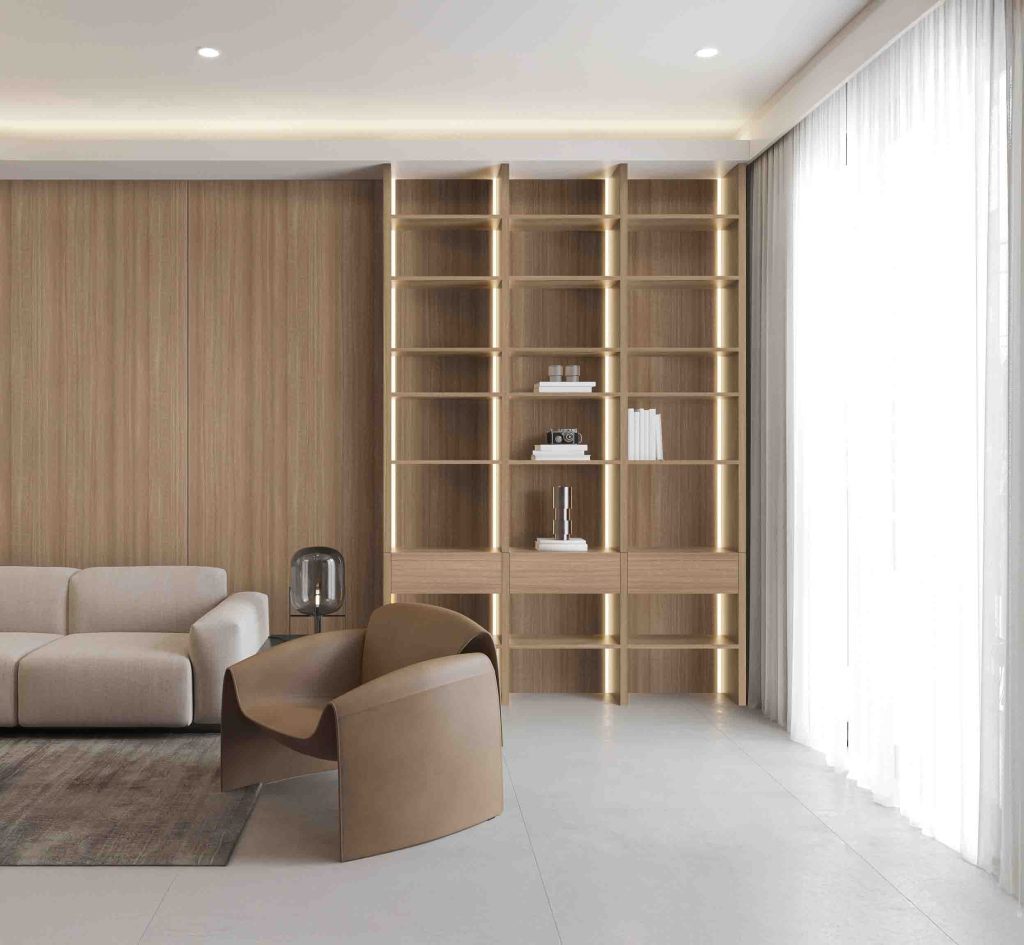
Personalization continues to shape interior design in 2026. Designers want freedom to adapt spaces quickly for branding updates, seasonal refreshes, or changing tenant needs.
Architectural films offer:
- Hundreds of colors, textures, and patterns
- Easy replacement when trends evolve
- Consistent results across multiple locations
This flexibility is especially valuable for franchises, hospitality groups, and multi-unit residential projects.
7. Cost-Conscious Luxury
Perhaps the most important trend of all: doing more with less.
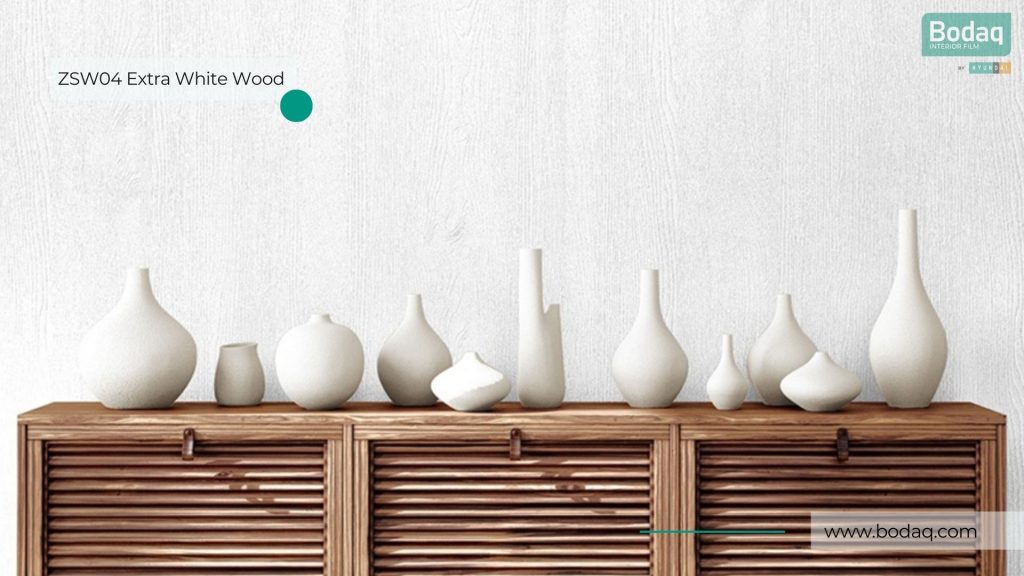
Clients still want high-end results, but budgets are tighter and expectations are higher. Architectural films deliver a luxury aesthetic while dramatically reducing material, labor, and replacement costs.
Compared to traditional renovations, films provide:
- Significant cost savings
- Shorter project timelines
- Less disruption to occupants
- Long-lasting, durable surfaces
Luxury in 2026 is smart, efficient, and sustainable.
Why Architectural Films Are a Key Design Tool for 2026
Architectural films are no longer just an alternative, they are a strategic design solution. They empower designers and property owners to:
- Stay ahead of trends
- Reduce costs and waste
- Refresh spaces quickly
- Adapt interiors as styles evolve
With Bodaq® Interior Films, staying on trend doesn’t require tearing everything out, it simply requires reimagining what’s already there.
Ready to Design Smarter for 2026?
Whether you’re planning a full refresh or a targeted update, architectural films offer a modern, sustainable, and cost-effective way to bring 2026 design trends to life.
Explore the possibilities with Bodaq® Interior Films and transform interiors, without compromise.