Architectural film can hold up for years on walls, doors, elevator cabs and casework, but how long depends on four things: the substrate underneath, the installation, the environment and the way you clean it. A well-matched film on a sound surface in a typical interior is a long-term finish. The same film on a damp, dusty or flexing substrate can fail in months. This guide explains what actually drives durability, how to maintain the film, how to repair damage, and what to ask about warranties before you specify anything.
TL;DR
- Durability is a system result: film, substrate prep, installation and environment all count, and the substrate is the most common point of failure.
- Everyday wear (scratches, scuffs, moisture, cleaning) is manageable when you match the film grade to the location and clean with soft tools and mild solutions.
- Small damage can often be repaired locally, while large or edge-lifted areas are usually better replaced panel by panel.
- Read the written warranty for exclusions (surface prep, moisture, cleaners, uncertified installation) before you commit, and keep installation records.
- We built Bodaq for stretch, air-channeled adhesive and high-traffic use, and we can send samples so you can test on your own substrate.
Table of Contents
- What “durable” means for an interior film
- How long does architectural film last?
- What breaks films down
- Scratches, impact, heat and everyday wear
- Cleaning and maintenance that protects the film
- Repairing damaged film
- Warranty: what to look for
- How to test durability before you commit
- Our perspective: durability is designed, not assumed
- Choosing a film built for wear
- A quick durability checklist for specifiers
- FAQ
- Sources
What “durable” means for an interior film
Durability is not one property. When designers and property managers ask whether a film is durable, they usually mean five different questions at once:
- Surface wear: will it scratch, scuff or burnish under carts, bags, chairs and cleaning?
- Adhesion: will it stay bonded at edges, corners and profiles?
- Color and finish stability: will it fade, yellow or turn glossy in patches?
- Moisture and heat tolerance: will it lift near sinks, steam, radiators or sunny glazing?
- Cleanability: will it release stains and survive the products your crew uses nightly?
A film can score well on one and poorly on another. That is why a headline number of years tells you less than the conditions behind it. The more useful question is: how long will this film last on this surface, in this room, with this cleaning routine?
How long does architectural film last?
There is no single honest answer, but there are useful reference points. Published guidance on interior window films, a related product category, says they are generally guaranteed for 10 to 15 years, with exterior films guaranteed for roughly half that because exposed films are more prone to peeling. The same source notes that interior films may last longer than their guarantees, although their aging has not been studied closely. Treat that as a pattern, not a promise for wall film: indoor, protected installations tend to outlast anything exposed to weather and direct sun.
For wall and surface films, the practical range depends on the zone:
| Location | Main stress | What to expect |
|---|---|---|
| Low-traffic walls (offices, bedrooms, lobbies) | Light contact, dust | Longest service life, mostly cosmetic aging |
| Corridors, elevator lobbies, hotel hallways | Carts, luggage, bumps | Surface scuffing is the limiting factor; choose a tougher grade |
| Doors, casework, reception desks | Hands, bags, frequent cleaning | Edge adhesion and cleaner compatibility matter most |
| Kitchens, bathrooms, spa areas | Moisture, steam, heat | Depends on substrate sealing and edge detailing |
| Sunlit glazing zones | UV, heat cycling | Faster aging; check the manufacturer’s rating for the exposure |
We have written up how our own commercial installations have aged in Bodaq Interior Film longevity: revisiting commercial projects, which is a good companion if you want field examples rather than lab claims.
What breaks films down
The substrate
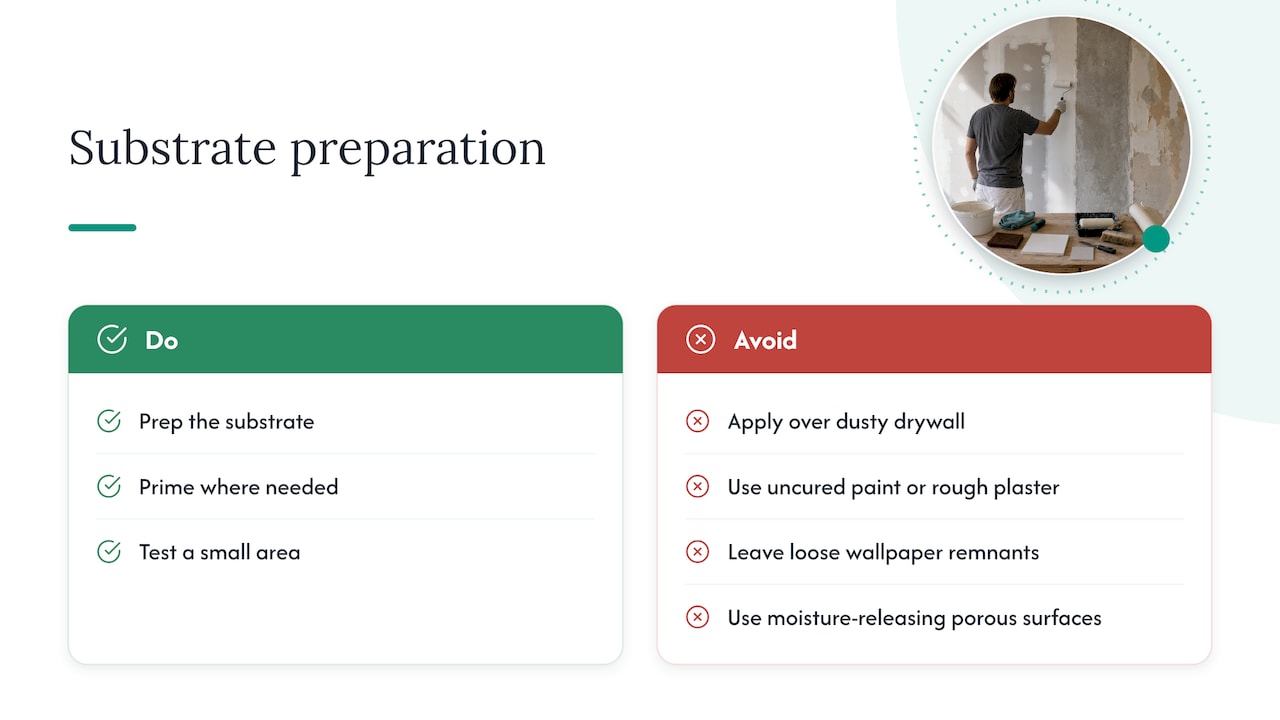
Most early failures trace back to what the film was applied to. Dusty drywall, fresh paint that has not fully cured, textured plaster that is too rough, loose wallpaper remnants and porous surfaces that release moisture all weaken the bond. The film is only as secure as the layer beneath it. Prepping, priming where needed and testing a small area before full installation is the cheapest insurance you can buy. Our guide to matching film grade to substrate walks through that decision by surface type.
Moisture
Moisture attacks from two directions: humidity at the surface and vapor moving through the wall. Edge lifting near wet zones is usually a detailing problem as much as a material one. If a project involves bathrooms, kitchens or humid climates, look for evidence of adhesion testing. We describe our own approach in the 48-hour adhesion test for moisture-resistant wall finishes.
Light and heat
UV and heat are the quiet agents of aging. A 2023 study of polyester protective film on glass curtain walls found that discoloration, peeling and wrinkling were linked to very low UV-absorber content in the adhesive coating, and that the adhesives themselves can degrade easily. That study concerns a different product on exterior glass, but the lesson transfers: the adhesive layer ages along with the film face, so a tough surface alone does not make a durable product.
Installation quality
Overstretching, trapped air, contaminated surfaces and poor edge finishing all shorten life. A film that is stretched past its limit around a curve carries stress that eventually pulls it back. Clean cuts, tucked edges and primed difficult corners keep the film from lifting. This is where trained installers earn their fee, and it is why we offer certification and training alongside the film.
Cleaning habits
Aggressive scrubbing, harsh solvents and abrasive pads damage even strong surface layers. We cover the details below, but the principle is simple: the cleaning routine is part of the specification.
Scratches, impact, heat and everyday wear
High-traffic interiors are the real test. Film surfaces are engineered with protective layers, and performance varies by product line, so compare grades rather than assuming all film behaves the same.
Scratches and scuffs. Fine surface marks come from keys, bag buckles, furniture and cleaning cloths with grit trapped in them. Matte and textured finishes tend to hide light marks better than high-gloss solids, where every scratch catches light. If a corridor will see carts, specify a finish designed for it and consider a textured option.
Impact. Film is a skin, not armor. It resists surface abrasion and minor knocks, but it will not stop a dent in the drywall underneath or a gouge from a sharp corner. In impact zones, pair the film with physical protection such as corner guards or kick plates.
Heat. Moderate indoor heat is fine. Direct heat sources such as ovens, radiators, heating vents, hot lamps and sun-baked glass can soften adhesives and cause edges to creep. Keep film clear of those sources unless the product is rated for them.
Moisture. Splashes and humidity are manageable on sealed substrates. Standing water, leaks and steam at unsealed edges are not.
Stains. Smooth, low-porosity surfaces release marks more readily than heavily embossed ones. For areas where spills are routine, a purpose-built option such as the Easy Clean High-Performance Collection ECF01 is the place to start.

For a deeper read on why some wall wraps outlast others, see what really makes interior film last.
Cleaning and maintenance that protects the film
Good maintenance is simple, and it is mostly about what you leave out.
- Dust first. Wipe with a dry or slightly damp soft microfiber cloth so grit does not get dragged across the surface.
- Use mild solutions. A little mild soap in water handles most soiling. Rinse with a clean damp cloth and dry.
- Skip abrasives. No scouring pads, bristle brushes or powders.
- Do not press hard. Let the cleaner do the work. Repeated heavy rubbing polishes or dulls textured surfaces.
- Check chemicals before rolling out a routine. Test any disinfectant or degreaser on a hidden spot, and confirm it against the manufacturer’s care instructions.
The Glass Association of North America takes the same low-abrasion view in its guidance for filmed glass. Its 2023 cleaning bulletin recommends soft cloths or clean synthetic sponges, and discourages bristle brushes, abrasive materials, paper towels and newspapers, as well as vigorous rubbing or heavy pressure. That guidance is written for glass, so follow your film manufacturer’s care sheet for walls and furniture, but the logic is the same: soft tools, mild solutions, light pressure.
For product-specific advice, our page on how to clean and maintain architectural film covers routine care in more detail. If you manage a building, put the approved cleaners in writing for your janitorial contractor. Most chemical damage comes from a substitution nobody flagged.
Repairing damaged film
Film is one of the more forgiving finishes to repair, which is part of its appeal over paint, laminate or wallcovering. The right fix depends on the damage.
Small scuffs and light marks
Try a gentle clean first. Many marks are surface soiling, not damage. If a mark remains, check the care sheet before using any solvent.
Small punctures, nicks or stains in the middle of a panel
Installers commonly cut out the damaged spot and inlay a patch. The usual approach is a double-cut patch: lay a piece of matching film over the damage, cut through both layers, remove the damaged piece and the offcut, and set the clean patch into the opening. Pattern matching is the challenge, so keep leftover film from the original job, ideally from the same production lot, for exactly this purpose. Wood grains and stone patterns need careful alignment to disappear.
Lifted edges and corners
If the substrate is clean and dry, an installer can often warm the film gently, press it back and re-seal it. If the edge keeps lifting, find out why. Moisture, dust or a flexing joint will undo the repair again.
Large damage or widespread lifting
When damage covers most of a panel, or lifting follows a moisture problem, replace the whole panel. A full panel replacement hides better than several patches, and film comes off without the demolition that wallcovering or laminate would need. Fix the cause, whether a leak or a bad substrate, before you reapply.
A practical repair kit
- Leftover film from the project, labeled with pattern code and date
- Squeegee, utility knife with fresh blades and heat source suited to the product
- Knifeless tape for clean cuts near finished surfaces
- Primer for edges and difficult corners, if the installer used it originally
- The installer’s contact details
The time you save on repair is one reason hospitality teams like film. A hallway panel can be redone overnight, with no weeks of downtime.
Warranty: what to look for
People searching for an architectural film warranty usually want to know three things: how long it lasts, what it covers and what voids it. The answers differ by manufacturer and product line, so read the written document for the exact product and region before you specify. We do not publish a universal warranty term in this article, and you should be wary of any source that quotes one without naming the product.
What to check in every warranty:
- Product versus workmanship. A manufacturer typically stands behind the film; the installer stands behind the installation. They are separate promises, and one does not replace the other.
- Application limits. Warranties are usually tied to approved substrates, indoor or outdoor use, vertical or horizontal surfaces and sometimes specific exposure conditions.
- Preparation requirements. Many documents expect clean, sound, primed or sealed substrates and may exclude failures from damp walls or poor prep.
- Care instructions. Cleaners outside the approved list can void coverage.
- Installer qualifications. Some programs expect trained or certified installers.
- What is excluded. Vandalism, impact damage, leaks and normal wear are commonly excluded.
- Remedy. Does it cover replacement film only, or labor too?
Because interior films are commonly guaranteed for 10 to 15 years in the window film field, you will see long numbers in the market. Always ask which part of the system that number applies to and under which conditions.
Protect yourself on site. Photograph the substrate before installation, record humidity and prep steps, and keep the pattern codes and batch numbers. Documentation turns a vague claim into a quick resolution if a problem does arise.
How to test durability before you commit
Spec sheets help, but a mockup tells you more.
- Order samples in the exact finishes you are considering.
- Apply them to your real substrate, not a clean board, in the area where the film will live.
- Run a wear test: scrape with a key, wipe with your actual cleaner, and leave the sample in a sunny or humid spot for several days.
- Check edges after a few days for lift.
- Photograph and compare before making a final choice.
For commercial work, this is a few hours of effort against a large installation. It also answers the question of whether your substrate needs prep or primer, which is the single biggest variable.
Our perspective: durability is designed, not assumed
After years of working with designers, installers and property managers, our view is simple: durability comes from a good match, not a bigger number. A film that stretches well, releases air cleanly and bonds evenly gives the installer a better chance of getting everything right, and an installation done right is what lasts.
That is why we focus on the things you can control. Bodaq Interior Film is stretchable and self-adhesive, with an air-channeled adhesive that helps installers avoid trapped bubbles. It comes in over 450 textures and colors, and it is designed for high-traffic residential and commercial spaces. We also support certified training for installers, because well-made film in untrained hands still fails.
Our advice to specifiers is to test on the real substrate, to write the cleaning routine into the handover documents and to keep spare film from every job. Those three habits solve more durability problems than any claim on a spec sheet.
— Bodaq
Choosing a film built for wear
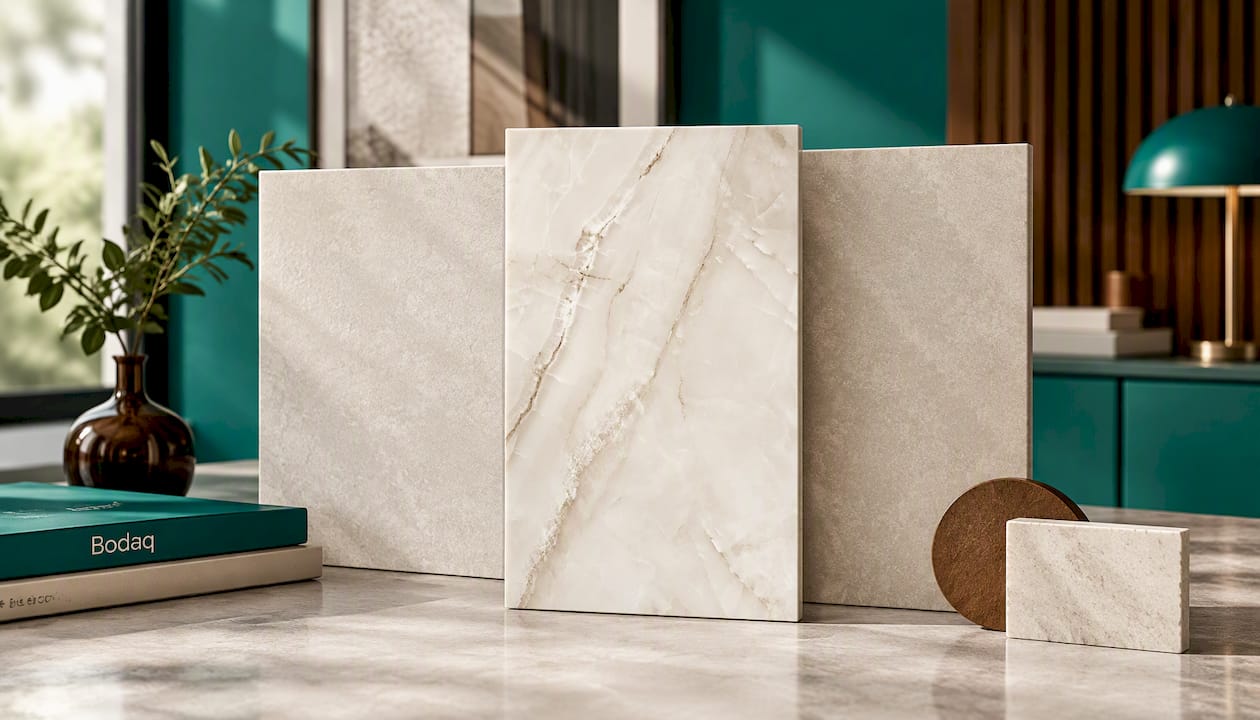
If you are specifying for a high-traffic project, begin with the finishes engineered for it. The Rustic Stone High-Performance Collection EXF52 is a good example of a textured, stone-look option that suits busy spaces, while the Easy Clean line suits spill-prone areas. You can also browse the full Bodaq interior film collections in wood, metal, stone and marble, solid colors, and fabric and leather, and request samples to test on your substrate.
If you are a dealer, installer or contractor, take a look at how film fits into your workflow in our guide for general contractors and how it speeds up work in office renovation with film.
A quick durability checklist for specifiers
- Confirm the product is intended for the exposure: indoor or outdoor, sunlit or shaded.
- Match the finish to the traffic: textured for scuff-prone zones, easy-clean for spills.
- Test adhesion on the real substrate, with moisture checked in wet areas.
- Detail edges and corners with primer and clean cuts.
- Use trained or certified installers.
- Put approved cleaners and tools in the handover pack.
- Keep leftover film and records for future repairs.
- Read the written warranty for exclusions before you sign off.
FAQ
How long does architectural film last indoors?
It depends on the product, the substrate and the traffic. Guidance on interior window films points to 10 to 15 years of guarantee periods, with exposed films lasting about half as long. For wall film, protected low-traffic areas last longest, and corridors or doors wear faster. Ask the manufacturer for the rating that applies to your product and location.
How do I clean architectural film without damaging it?
Dust with a soft cloth, then wipe with mild soap and water and dry. Avoid abrasive pads, bristle brushes and heavy pressure, which is consistent with the Glass Association of North America’s cleaning bulletin for filmed glass. Test any disinfectant on a hidden area first and follow your film’s care instructions.
Can damaged architectural film be repaired?
Often, yes. Small punctures or stains can be patched with matching film, and lifted edges can sometimes be re-adhered if the substrate is dry and clean. When damage spreads across a panel or comes from moisture, replacing the whole panel gives the cleanest result once the cause is fixed.
What can void an architectural film warranty?
Common triggers are installing on an unapproved or poorly prepared substrate, moisture problems, using cleaners outside the approved list, and installation outside the stated conditions. Terms vary by manufacturer, so read the written warranty for your exact product before you specify it.
Does moisture ruin architectural film?
Normal humidity is not a problem on a sealed, well-prepped substrate. Standing water, leaks and steam at unsealed edges are what cause lifting. In wet areas, test adhesion first and detail the edges carefully.
Sources
- Study on causes of degradation of polyester protective film (J-STAGE, 2023)
- UV and visible light filtering window films (WAAC Newsletter)
- Proper Procedures for Cleaning Architectural Glass Products (Glass Association of North America, 2023)