The best adaptive reuse finishes leave the building’s bones alone and change only the surface. They go over the walls, doors, casework and columns you already have, install quickly, and send little to the dumpster. Bodaq’s self-adhesive, stretchable architectural film is built for exactly that job: over 450 textures and colors that wrap existing surfaces, so a space can take on a new identity without a gut renovation.
That matters most when the surfaces are sound but the look is wrong. Think of a 1990s office becoming a boutique clinic, a dated hotel corridor that must stay open, or a dark paneled den becoming a bright home studio.
TL;DR
- Adaptive reuse changes what a building is for; renovation keeps the original use. Finishes are the fastest way to signal the new purpose.
- Most construction waste comes from renovation and demolition work, so keeping sound walls, doors and casework and re-surfacing them is the lower-waste route.
- Film wraps existing surfaces in place: wood, stone, metal, leather, fabric and solid-color looks over the substrate you already have.
- Preparation decides the result. A sound, dry, clean surface is the baseline for any finish that bonds to it.
- Historic buildings add rules. Check the Secretary of the Interior’s Standards before touching anything original.
Table of Contents
- Adaptive reuse versus renovation: why the difference matters for finishes
- Why keeping the walls beats tearing them out
- What a good adaptive reuse finish has to do
- Where film fits: surfaces you can transform in place
- Finish ideas by type of reuse project
- Preparation: the step that decides everything
- Historic buildings: finish with care
- Planning for the next reuse
- Who benefits, and how
- Bring Bodaq to your reuse project
- Our perspective
- FAQ
- Sources
Adaptive reuse versus renovation: why the difference matters for finishes
The two terms get swapped constantly. As Architizer’s guide frames it, adaptive reuse repurposes an existing building for something other than what it was built for, while renovation repairs or updates a building and keeps its original use.
For finishes, the practical difference is this. A renovation usually refreshes what is already there: same kind of office, newer look. Adaptive reuse asks surfaces to say something new. A warehouse wall that used to be utilitarian now has to read as a restaurant, a loft apartment or a showroom. The finish carries the story of the new use.
That is why finishes get so much attention on these projects. Structure, mechanical systems and envelope are expensive and slow to change. Surfaces are where a designer gets the biggest visible shift for the least disruption.
Why keeping the walls beats tearing them out
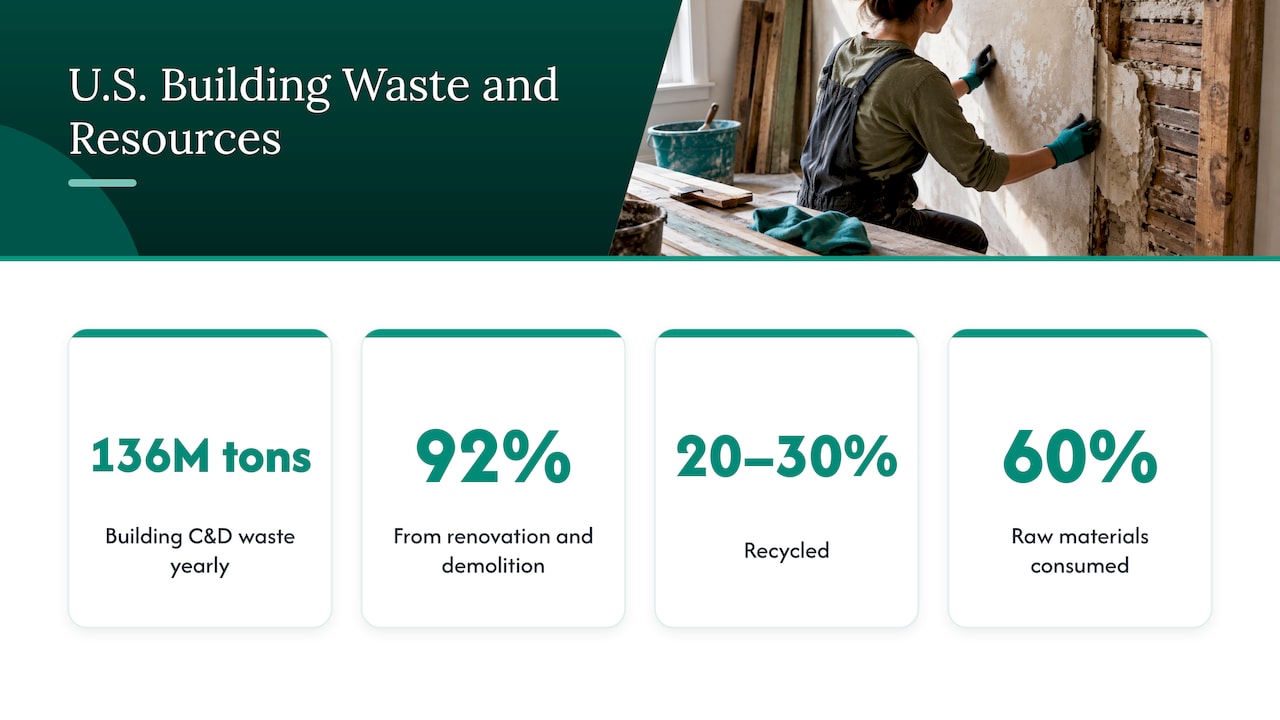
The case for renovation without demolition starts with waste. A Connecticut General Assembly report drawing on EPA data puts building-related construction and demolition waste at 136 million tons a year, with 92% of it coming from renovation and demolition rather than new building, and only 20 to 30% recycled. The same report notes that construction activity consumes 60% of the raw materials used in the U.S. economy. These are older figures, but they show where the volume sits: in what gets ripped out.
The AIA’s guide to building reuse for climate action pushes in the same direction. It advises minimizing finishes, using existing features as finishes where possible, and reusing existing materials during design and construction. It also cites a study of an office building in which the cumulative carbon footprint of tenant improvements over six decades rivaled that of constructing the building. Repeated strip-and-replace cycles add up.
The USGBC makes a similar point in its Interiors Life Cycle Impact Reduction guide: reusing materials and designing for flexibility lowers cost, energy use and construction waste, and its first credit option suits projects that can keep existing nonstructural wall, ceiling and flooring systems.
In plain terms, if the drywall, millwork and doors are sound, the greenest and often the fastest move is to keep them and change what they look like.
What a good adaptive reuse finish has to do
When we talk with designers and property teams, the finish that works on a reuse project tends to meet six tests:
- It goes over what exists. No demolition of sound substrates just to start fresh.
- It installs fast. Occupied buildings, hotels and tenant spaces cannot sit idle.
- It makes little dust and little waste. Cutting to size from a roll and wrapping in place is cleaner than demolition and rebuild.
- It takes real traffic. Corridors, lobbies, elevators and reception desks get hit daily.
- It offers range. A new use needs a new language: warm oak, honed stone, brushed metal, soft leather, woven linen, or a bold solid.
- It is easy to change again. Uses shift. A finish that can be updated later keeps the building adaptable.
Bodaq film is designed around these. It is a stretchable, self-adhesive architectural film, and its air-channeled adhesive is designed for easier, cleaner installation. It also carries eco-friendly credentials and is built for durable performance in high-traffic spaces.
Where film fits: surfaces you can transform in place
Bodaq film is made for walls, furniture, doors and other surfaces in both residential and commercial interiors. Here is how that plays out in a reuse project.
Walls and columns
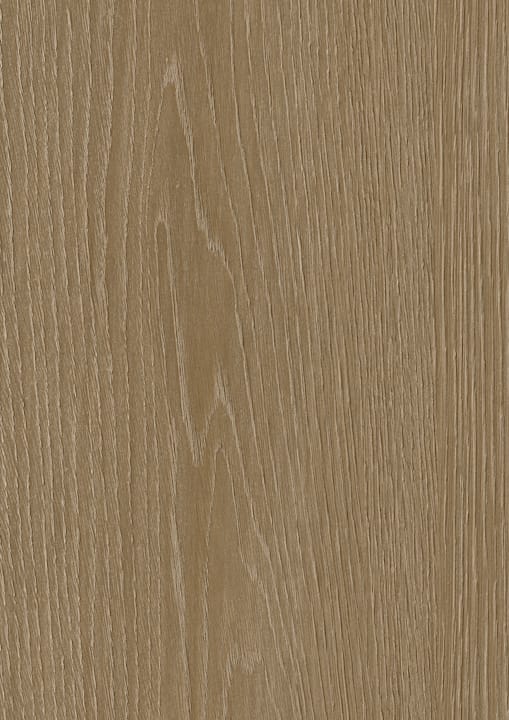
Feature walls, corridor runs and structural columns are the quickest way to reset a room’s character. A stone and marble pattern gives a reception wall weight. A wood grain such as Natural Oak LW108 warms a cold institutional room. For a quieter, tailored backdrop, a solid such as Silver Mist S263 reads like a well-cut suit: restrained and consistent.
Doors, casework and built-ins
Old doors and cabinets are often perfectly sound; it is the faux-wood laminate or tired veneer that dates them. Wrapping them gives you a unified new palette without sending dozens of units to a landfill. For a reuse project that must feel cohesive, running one wood collection across doors, frames and millwork creates the sense that everything was designed together.
Counters, desks and fixtures
Hospitality and retail reuse projects often keep reception desks, bars and display fixtures. A leather or linen texture adds a tactile, sculptural quality that paint cannot.
Elevators and other tight-turnaround spaces
Spaces you cannot close for long are where a quick, low-mess finish pays off. Our write-up on an innovative cab interior upgrade shows the approach in a compact, high-use setting.
Finish ideas by type of reuse project
| Project | The new story | Finish direction |
|---|---|---|
| Office to boutique hotel | Warmth and hospitality | Wood and linen textures on corridors and headboard walls |
| Warehouse to restaurant | Industrial but inviting | Metal and stone looks against exposed structure |
| Retail to medical clinic | Calm and clean | Solid colors and easy-clean surfaces such as Easy Clean ECF01 |
| Dated house to home studio | Light and personal | Pale oak and soft leather on built-ins |
| Commercial lobby refresh | Brand-consistent | One palette repeated across walls, doors and desks |
One rule of thumb: pick a hero material, then support it. Let a stone or wood do the talking and let solids carry the quiet surfaces around it. That is how a space feels immersive instead of busy.
Preparation: the step that decides everything
Every finish that bonds to a surface is only as good as the surface beneath it. Technical guidance for cementitious finishes, such as ARDEX’s technical data sheet for Feather Finish XF, spells out the principle: substrates need to be dry, sound and free of bond-breaking contaminants such as dirt, dust, wax, grease, oils and sealers. Solvents and sweeping compounds are listed among the things that leave bond breakers behind.
The same logic applies when you are putting film over an existing wall or door. A practical routine looks like this:
- Survey the surface. Look for loose paint, flaking coatings, damp patches and damaged edges. A surface that moves will take the finish with it.
- Repair what is unsound. Where a wall needs patching or leveling, a trowel ready mortar supply can restore a flat, solid base for masonry and concrete areas.
- Clean thoroughly. Remove dust, grease and residues, and let the surface dry fully.
- Confirm moisture conditions. Damp walls call for a closer look at the cause before anything goes on. Our 48-hour adhesion test guide covers moisture-resistant wall finishing for specifiers.
- Plan the layout. Check where seams will fall, how patterns run across doors and frames, and what needs templating.
- Install in controlled sections. Because the film is stretchable, it conforms around curves and profiles, and the air-channeled adhesive helps release trapped air as you work.
We also run certified training for professional installers and sell installation tools, so teams can get consistent results across a large project instead of learning on the job.
Historic buildings: finish with care
Many adaptive reuse projects involve older structures, and those come with rules. The National Park Service explains in Adapting a Historic Building for New Use that certified historic structures must follow the Secretary of the Interior’s Standards for Rehabilitation. These call for minimal change to defining characteristics and no damage to materials, features or finishes that are important to the building’s historic character. The same page notes that the federal Historic Preservation Tax Incentives program can provide a 20% credit for rehabilitating a certified historic structure, and that some states add credits of their own.
If your project is in that category, confirm with your state historic preservation office and your tax-credit adviser before finalizing any finish on an original surface. In many buildings, though, the later additions are where film shines: modern partitions, drop-ceiling soffits, 1980s casework and service-area doors that sit outside the historic fabric.
Planning for the next reuse
Buildings get repurposed more than once. The USGBC guide recommends flexible, reconfigurable interior strategies so that spaces can change without disturbing building systems, and it cites the Owens Corning headquarters in Toledo, Ohio, where access flooring let employees move an average of 1.3 times in the first year of occupancy at very low cost. The lesson for finishes is the same: choose surfaces that make the next change as easy as this one.
The AIA suggests matching finish lifespans to replacement cycles, a concept called pace layering. Structure lasts for generations; surfaces turn over every few years. Treat finishes as the fast layer and plan them that way. Our guide to what lasts and what doesn’t in architectural film helps set realistic expectations for high-traffic areas.
Who benefits, and how
- Interior designers get a broad palette to tell a new story over existing surfaces. See our film benefits for designers.
- Architects get consistent material across many surface types, from walls to doors to furniture.
- General contractors get a faster, cleaner scope. Read about film for general contractors.
- Property and asset managers can refresh tired common areas on a tighter schedule: see our commercial interior refresh page.
- Hospitality teams can update rooms and corridors with less disruption. Learn more about transforming hotels with Bodaq finishes.
- Homeowners can refresh kitchens, doors and built-ins without a full remodel.
Bring Bodaq to your reuse project
Bodaq is a premium architectural interior film made by Hyundai L&C, with more than 450 textures and colors across Wood, Metal, Stone & Marble, Solid Colors, and Fabric & Leather collections. It is sold online or by quotation, with installation tools, dealer kits, samples and certified installer training available alongside the film.
Browse the full collections to find the finishes for your project, or start at Bodaq Interior Film to request samples before you specify.
For more on sourcing, see our tips for sustainable renovation materials and our overview of interior wall finishing materials.
Our perspective
Adaptive reuse is, at heart, an act of respect for what a building already holds. The structure, the walls and the doors have a long life ahead of them. What usually ends their useful life is not failure but fashion.
That is why we built Bodaq the way we did. A stretchable, self-adhesive film lets a designer change how a surface looks and feels without changing the surface itself. Over 450 textures and colors mean the finish can match the ambition of the new use, whether that is a quiet clinic or a bold hotel lobby.
We think the right question on a reuse project is not how much to remove, but how much to keep. When the answer is most of it, film is the finishing layer that makes the keeping look intentional. We would love to help you make that call on your next project.
Bodaq
FAQ
What are adaptive reuse finishes?
They are surface materials chosen to give an existing building interior a look suited to a new use, without tearing out sound walls, doors or casework. Film wraps, paint and surface overlays are typical examples. Bodaq film belongs here, covering wood, stone, metal, leather, fabric and solid looks.
What is the difference between renovation and adaptive reuse?
Renovation updates a building while keeping its original use. Adaptive reuse changes the use itself, such as an old warehouse becoming apartments. Finishes serve both, but in reuse they must establish the new identity of the space.
Can I change a finish without demolition?
Yes, as long as the existing surface is sound, dry and clean. Bodaq film is applied directly over existing walls, doors and furniture, so you can renovate without demolition and with far less waste than a strip-and-replace approach.
Do historic buildings allow new finishes?
It depends on the building’s status. Certified historic structures must follow the Secretary of the Interior’s Standards for Rehabilitation, which protect finishes that define historic character. Check with your state historic preservation office before altering original surfaces.
How do I choose between Bodaq collections?
Start with the story of the new use. Wood suggests warmth, stone suggests permanence, metal reads industrial, leather and fabric add softness, and solids give a calm base. Request samples to see them in your lighting.
Sources
- Architizer: What’s the Difference Between Adaptive Reuse and Renovation
- Connecticut General Assembly: Building Deconstruction
- AIA: Guide to Building Reuse for Climate Action
- USGBC: Interiors Life Cycle Impact Reduction Guide
- ARDEX: Feather Finish XF Technical Data Sheet
- National Park Service: Adapting a Historic Building for New Use
- Trowel ready mortar supply