Yes, premium self-adhesive architectural film works as a moisture-resistant wall finish for most interior settings, kitchens, washrooms, elevators, and high-traffic commercial walls included, when the substrate is properly tested and the installation follows manufacturer guidance. It is not a substitute for waterproof membrane systems inside a shower stall or on exterior cladding. Installers treat adhesion testing and primer selection as the foundation of any successful application, not an afterthought.
TL;DR:
- Proper substrate testing and primer use are crucial, especially for low-energy plastics, to ensure adhesion and longevity of the film.
- Moisture-resistant films are suitable for interior walls, furniture, and high-touch surfaces, but cannot replace waterproof membranes in wet zones like showers or exterior cladding.
- Clear seam planning, environment control, and installer technique are key factors that influence the durability and visual quality of the finished application.
- Regular maintenance with pH-neutral cleaners and patch repairs can extend the lifespan of the film, but failure often results from poor surface prep or unsuitable environment conditions.
- For high-moisture environments such as kitchens or healthcare corridors, choose films specifically designed for easy cleaning and durability, like the Easy Clean collection.
Table of Contents
- What Is Architectural Film, and Where Does It Fit?
- Why Design and Facilities Teams Keep Choosing Film
- How Do You Choose the Right Moisture-Resistant Film?
- How Do You Prepare and Install Film for Moisture Resistance?
- How Do You Clean and Maintain a Film Finish Long Term?
- Where Does Film Work Best, and What Finish Fits?
- When Should You Skip Film and Choose Something Else?
- Balancing Design Intent, Installer Skill, and Real Costs
- Ready to Spec Your Next Moisture-Resistant Wall?
- Where to Verify Technical Details Before You Spec
- Sources
What Is Architectural Film, and Where Does It Fit?
Architectural film is a thin, stretchable, adhesive-backed decorative layer designed to sit directly on a prepared substrate rather than replace it structurally. It is considerably thinner and more flexible than a rigid laminate panel, which is exactly what lets it wrap curves, corners, and hardware that laminate simply cannot follow, according to a comparison of architectural films and laminates.
That flexibility is also the scope boundary. Film refinishes a surface; it does not create a waterproof envelope the way a structural panel system or a tanked membrane does. The two solve different problems, and confusing them is the single most common specification mistake on a renovation scope.
Where film earns its place:
- Interior walls in corridors, lobbies, and back-of-house areas
- Furniture, casework, and millwork refreshes without full replacement
- Elevator cabs and reception desks
- Doors, frames, and other high-touch vertical surfaces
Bodaq’s wall finishing materials catalog covers most of these applications directly, which is worth knowing before you start comparing it against structural alternatives.
Why Design and Facilities Teams Keep Choosing Film
Durability and cleanability drive most of the decision for commercial projects. A well-installed film resists scuffing, wipes clean daily, and holds its finish through years of foot traffic in ways painted drywall rarely does. Design flexibility is the other half of the pitch: with textures spanning wood grain, stone, metal, and solid color, a designer can match a mood board almost exactly rather than settling for “close enough.”
Bodaq stat check: Film-based refurbishments let facilities teams wrap doors, walls, and elevator interiors across an entire floor without the demolition disruption a full material swap would require, according to installer-documented commercial projects.
The operational case matters just as much:
- Rooms often stay usable during and shortly after installation, unlike a full tear-out
- Material waste drops sharply compared to ripping out and replacing panels or cabinetry
- Lifecycle cost favors film when patch repairs, not full replacement, handle localized wear
For a hotel renovating floor by floor or a retailer refreshing a storefront overnight, that speed is the difference between a manageable project and a closed-for-business sign.
How Do You Choose the Right Moisture-Resistant Film?
Selection comes down to matching the product to the substrate, the traffic, and the cleaning regimen the space actually needs. Run through this before you finalize a spec:
- Identify the substrate and test adhesion. Drywall, MDF, laminate, and metal all behave differently, and a small adhesion test patch catches incompatibility before a full rollout, not after.
- Decide whether a primer is required. Low-energy plastics and some sealed substrates need a primer coat to bond reliably, per manufacturer application guidance.
- Match texture to maintenance load. A high-traffic food-service wall needs a wipeable solid finish; a lobby feature wall can carry a more delicate wood grain.
- Confirm roll width and seam strategy. Ask how joints will be planned before cutting begins, and check for certified installers in your area.
- Review the technical data sheet. Temperature range, humidity limits, and warranty terms should all be documented, not assumed.
Pro Tip: Order a physical sample and tape it to the actual wall for 48 hours before committing. Lighting and ambient humidity change how a finish reads far more than a screen or swatch card ever will.
How Do You Prepare and Install Film for Moisture Resistance?
Surface prep decides whether a film lasts five years or fails in five months. Skip a step here and no amount of premium material saves the result.
- Clean the substrate thoroughly, removing grease, dust, and any loose paint or wallpaper residue.
- Sand rough spots smooth. Film reveals every bump and gouge underneath it, so smoothing now prevents an unsightly finish later.
- Verify substrate moisture content and apply primer where the substrate calls for it, then run a perimeter adhesion test as manufacturer technical guidance recommends.
- Confirm the work environment sits within recommended bounds, generally around 12°C to 38°C, with ambient humidity kept below roughly 50% and substrate moisture below about 10% to avoid bond failure.
- Plan seams and grain direction before the first cut. Head-to-head joints placed away from sightlines look intentional; overlaps in the wrong spot look like a mistake.
- Use heat and controlled stretch for corners and hardware cutouts, and finish with a felt-backed squeegee to avoid marring matte or textured surfaces.
Substrate preparation, seam planning, and installer technique are what separate a professional-grade finish from a visibly patched one, according to installer insights from commercial architectural film projects.
Pro Tip: Brief your installer on grain direction and sightlines before the job starts, not during. A five-minute conversation about where seams should land saves a costly redo.
For a full walkthrough, Bodaq’s step-by-step installation guide covers tooling and technique in more depth than any single checklist can.
How Do You Clean and Maintain a Film Finish Long Term?
Daily upkeep is simple: a soft cloth and a pH-neutral detergent handle most grime without stressing the adhesive or the surface texture. Skip ammonia-based cleaners and abrasive polishes entirely, since they degrade the finish over time.
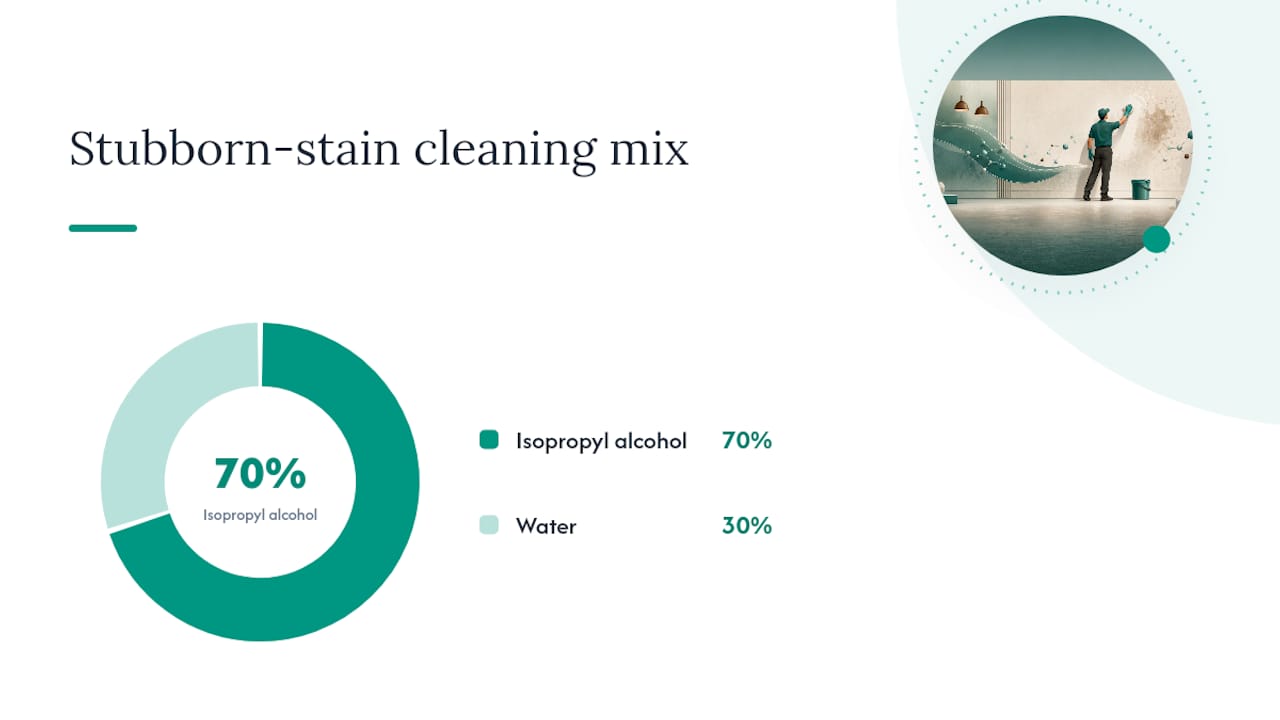
Bodaq stat check: For stubborn stains, manufacturer cleaning guidance allows a 70% isopropyl alcohol and 30% water mix on solid colors, but warns against using it on printed patterns, where it can dull the finish.
- Test any new cleaner on a hidden section first, especially on textured or printed finishes.
- Patch repair handles most localized damage, scuffs, small tears, and burns, at a fraction of full replacement cost.
- Full replacement only makes sense when damage spreads across multiple panels or the substrate itself has failed underneath.
- Shortened lifespan almost always traces back to skipped prep steps or installation outside the recommended humidity and temperature range, not the film itself.
Where Does Film Work Best, and What Finish Fits?
Match the finish to the room’s job, not just its color scheme. Wood grain textures warm up hospitality lobbies and residential feature walls. Stone and concrete-look films suit industrial or lobby aesthetics where a poured-concrete look is desired without the weight or cure time. Solid, easy-clean finishes belong in healthcare corridors and food-service kitchens where wipeability outranks texture.
- Hospitality: elevator cabs and reception desks wrapped in matching wood grain for a cohesive arrival experience
- Retail: rapid storefront refreshes using bold solid colors or metallics with minimal downtime
- Residential: concrete-look feature walls that read as poured concrete without the structural retrofit
- Commercial elevators: a dedicated approach to elevator interior upgrades where panel size and seam count matter more than in an open wall
Combining two patterns on a single feature wall works well when the installer matches grain direction across the joint, turning what could look like a seam into a deliberate design line.
When Should You Skip Film and Choose Something Else?
Film is not the right call everywhere. It should not replace a waterproof membrane system inside a shower enclosure, a pool surround, or any exterior cladding application where sustained water exposure is the norm, not the exception.
- Sustained high-moisture zones (shower interiors, exterior facades) need membrane or panel systems, not decorative film
- Certain porous or contaminated substrates resist adhesion even with primer and require remediation first
- Regulated wet-area work should involve a waterproofing or building envelope specialist before any decorative finish is chosen
Balancing Design Intent, Installer Skill, and Real Costs
The material rarely fails on its own. What fails is the gap between a beautiful sample board and a rushed installation; installer technique, not marginal material differences, decides how a finished wall actually looks and holds up. If you are writing a project spec, put adhesion testing and seam sightline expectations in the documents, not just the finish selection.
Budget for it too. Order samples before committing to a full room. Price a primer kit alongside the film itself rather than treating it as an optional extra. And set aside a small maintenance allowance for patch repairs, because even the best-installed film will eventually pick up a scuff that needs fixing rather than a full re-wrap.
**
Ready to Spec Your Next Moisture-Resistant Wall?
For food-service kitchens, healthcare corridors, or any high-cleaning-frequency space, the Easy Clean high-performance film (ECF01) gives you a wipeable solid finish built for exactly that workload, without the downtime a full material swap demands.
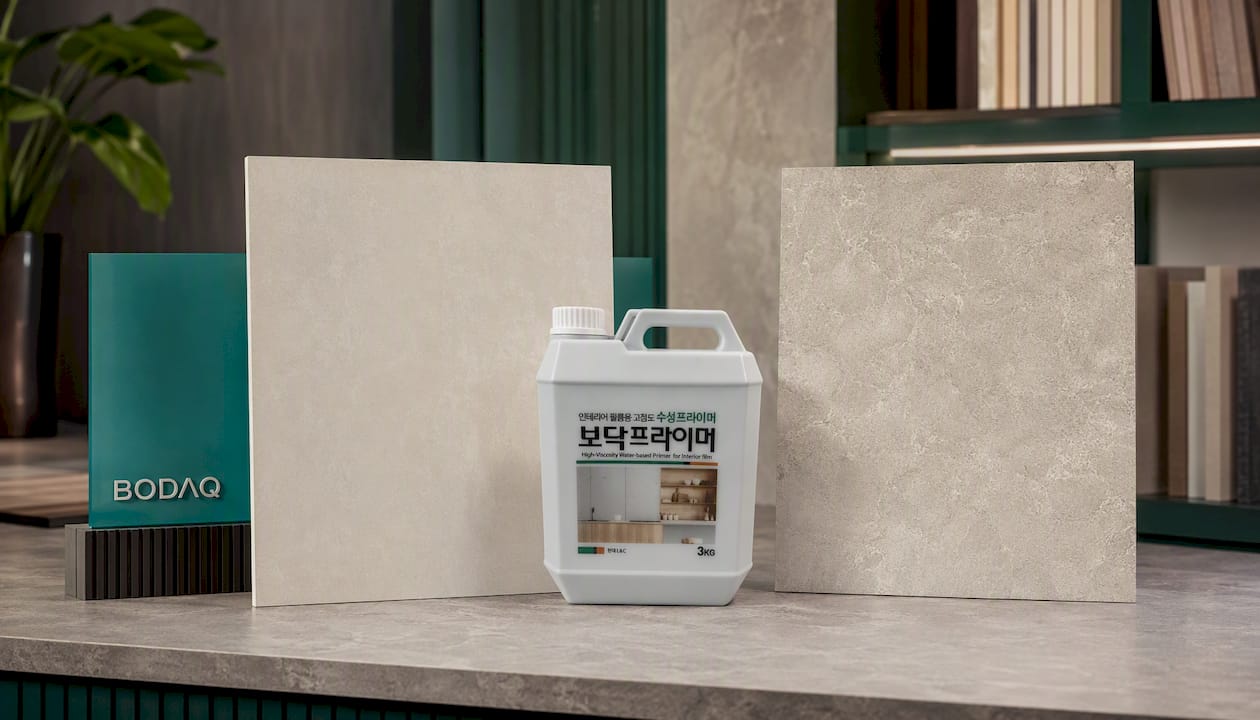
If your substrate is a low-energy plastic, sealed laminate, or anything the adhesion test flags as questionable, pair it with the Bodaq Water-Based Primer (3 KG) before the film goes on. Skipping that step is where most rework claims start. For a stone-look feature wall or lobby accent, Rustic Stone EXF52 delivers the texture without the weight or install time a real stone veneer requires.
Order a sample set, request Bodaq’s certified installer list for your region, or submit a quote request to get project-specific pricing and lead times before you finalize your spec.
Where to Verify Technical Details Before You Spec
- Bodaq’s installation guide covers tooling, seam planning, and heat-forming technique step by step.
- The technical manual for interior film application details primer, adhesion testing, and environmental limits.
- Bodaq’s general contractor benefits page outlines practical advantages for facility managers.
Sources
- Commercial architectural film installation (installer insights)
- Technical manual: interior film application and primer/adhesion guidance
- Architectural films vs laminates