
Three approaches cover almost every door wrap idea worth trying: architectural film for a durable, high-end finish; peel-and-stick decals or temporary wallpaper for a cheap, low-commitment refresh; and fabric or magnetic covers for renters who need everything reversible. Film lasts longest but takes the most precision to install. Decals go up fast but wear out sooner. If your door has deep panel grooves or you’re wrapping more than two or three doors, hiring a pro saves you a ruined roll of material.
TL;DR:
- Architectural film provides the longest-lasting finish but requires precise installation, especially on paneled or textured doors, to prevent bubbles and lifting.
- Peel-and-stick decals and temporary wallpapers are quick and affordable options suitable for seasonal or frequent updates but tend to wear out faster, especially in high-contact areas.
- Magnetic and fabric covers are ideal for renters, as they can be removed easily without residue, but they have a limited lifespan and are less durable for high-traffic doors.
- For doors with deep grooves or heavy moisture exposure, using a film rated for those conditions ensures durability and color retention over time.
- Limited to structurally sound doors, wrapping offers a faster, less wasteful alternative to repainting or replacing, especially when seeking textures or patterns that paint cannot mimic.
Table of Contents
- Door Wrap Design Ideas Grouped by Style and Purpose
- Choosing the Right Door Wrap Material
- DIY Door Wrap Installation: The Basics
- Where to Put a Door Wrap for the Best Design Payoff
- What Bodaq Brings to Door Wrap Projects
- When a Door Wrap Beats Paint or Replacement
- Get the Right Bodaq Film for Your Door Project
- Sources
- FAQ
Door Wrap Design Ideas Grouped by Style and Purpose
The best door wrap ideas start with a decision: are you unifying a hallway, or making one door the star? Designers lean on both strategies, and layering finishes with hardware turns a wrapped door from an applied sticker into an actual design element. Here’s how the ideas break down by intent.
Neutral and textured finishes work best when you’re wrapping multiple doors and want them to disappear into the wall rather than compete with it.
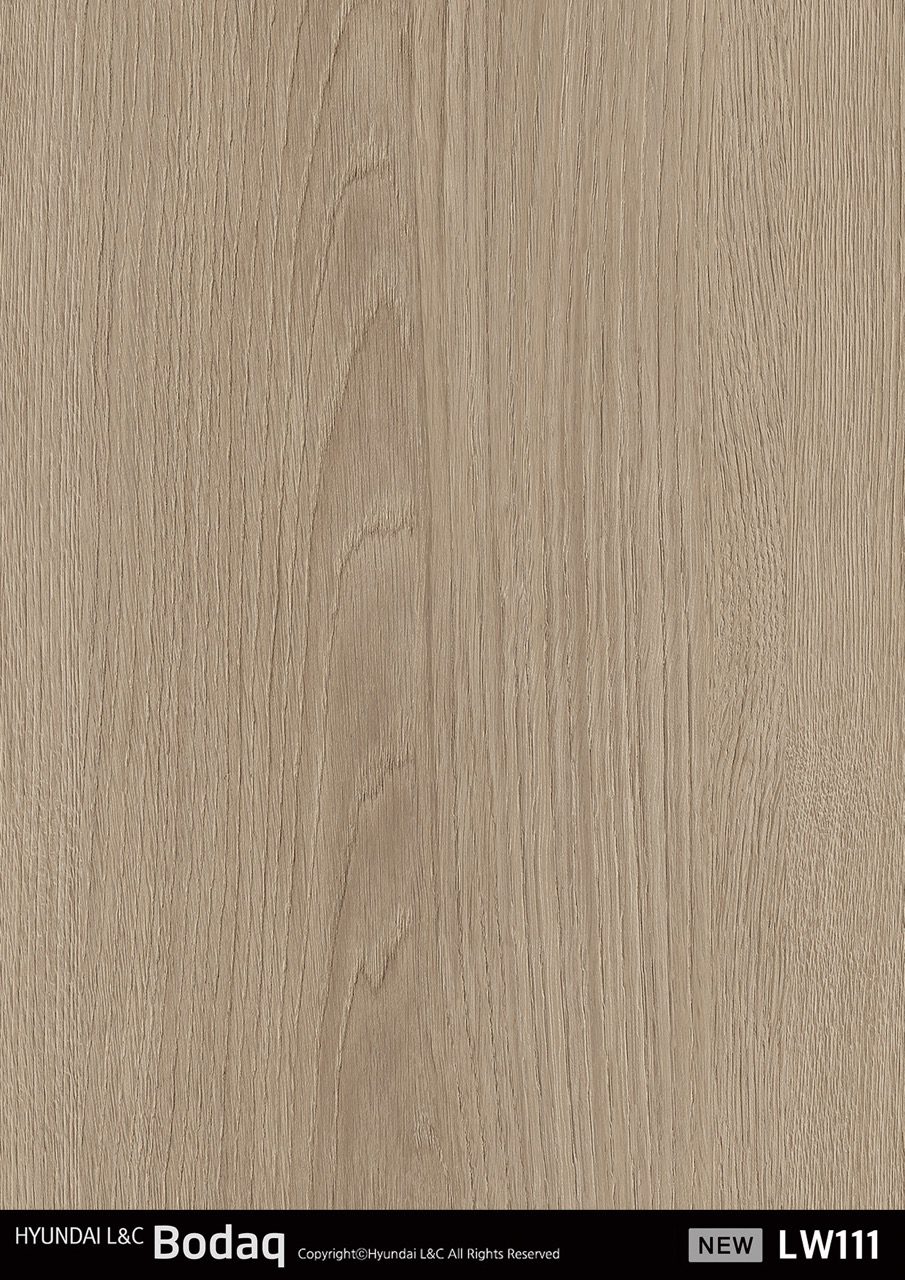
- Wood grain film on hallway doors creates a warm, continuous look that reads as millwork, not a fix.
- Concrete or stone textures suit mudroom and utility doors where a lived-in, industrial feel fits the room’s function.
- Linen-textured matte finishes work well on closet doors in bedrooms, adding tactile interest without pattern.
- Light gray or greige solids are the safest choice when you’re not sure what the rest of the room will do next.
Bold accent finishes are for the one door that should grab attention, usually a front door, a powder room door, or the door at the end of a long hallway.
- Matte black remains the most requested accent finish, especially on paneled interior doors where the matte reads almost like ironwork.
- Deep jewel tones (forest green, oxblood, navy) work on doors that get natural light, since low-light hallways can make dark solids look flat.
- Brushed metallic finishes suit modern or transitional spaces, particularly on a single statement door rather than several.
Patterns and graphics demand more planning but deliver the most personality per square foot.
- Geometric prints suit kids’ rooms and playrooms, where a busy pattern reads as fun instead of chaotic.
- Vertical stripes visually raise a low ceiling, a trick worth using on doors in older homes with 7 foot openings.
- Color-blocked panels (two tones split across the door’s rails and panels) give a custom-millwork look without a carpenter.
Murals and novelty themes turn a door into a conversation piece, which matters most in low-traffic rooms where the joke or the illusion has time to land.
- Faux bookshelf wraps are popular for home office or den doors, especially on doors that lead somewhere unglamorous like a utility closet.
- Space and galaxy themes work almost exclusively in kids’ bedrooms.
- Faux window wraps on windowless interior doors (laundry rooms, basements) borrow light and depth the room doesn’t actually have.
Functional wraps solve a problem first and decorate second.
- Chalkboard film on a pantry or mudroom door adds a message center without drilling into the door itself.
- Frosted or etched-look film on French doors or office doors adds privacy while still passing light.
- Dry-erase film on a kid’s door doubles as a chore chart and a decor choice.
Temporary and seasonal ideas are for readers who want to change things often without committing to a full wrap.
- Seasonal decals swapped out for holidays let you refresh a front door four or five times a year for the cost of one wreath.
- Interchangeable magnetic plaques are a reusable alternative to buying a new wreath every season, and they go up and down in seconds.
- Rotating gallery-style photo wraps work on office or studio doors that double as display space.
Choosing the Right Door Wrap Material
The material decides how long your idea survives contact with real life. Architectural film functions as a durable skin over the existing door surface and holds up better than hobby-grade decals on both flat and lightly paneled doors, but it takes more careful installation and isn’t meant to come off in a weekend.
Peel-and-stick decals and temporary wallpaper are the fastest, cheapest route, and they’re forgiving of mistakes since most brands allow repositioning during application. The tradeoff is lifespan. These materials tend to bubble or peel at the edges faster than film, particularly on doors that see a lot of hand contact, like a kitchen or a kid’s bedroom.
Fabric-based and magnetic covers are the renter’s answer. These materials remove without sanding, priming, or heavy cleanup, which makes them the only realistic choice if you can’t leave adhesive residue behind at move-out.
Before choosing any material, run this quick surface check:
- Paint should be intact, not flaking or chalky.
- The surface should be smooth or lightly textured, not deeply carved or heavily distressed.
- Any grease, wax, or silicone residue needs to come off first, or nothing will bond.
- Doors with heavy moisture exposure (bathrooms, exterior entries) need a film rated for that use, not a paper-based decal.
Pro Tip: If your door gets direct sun for more than a few hours a day, ask about UV-stable film specifically. Cheaper vinyl can fade or yellow within a year in that kind of exposure, while UV-rated architectural film is built to resist it.
DIY Door Wrap Installation: The Basics
Wrapping a door yourself is manageable if you respect the prep work. Meticulous surface cleaning and the right tools separate a smooth finish from a puckered one.
- Remove the door from its hinges and lay it flat on sawhorses or a table. Flat surfaces wrap far more evenly than vertical ones.
- Clean thoroughly with isopropyl alcohol to strip grease, dust, and old wax residue.
- Measure twice, then cut your material with a few extra inches on every side for wrapping the edges.
- Apply from the center outward using a felt-edged squeegee to push out air bubbles without scratching the film.
- For paneled or contoured doors, use a heat gun to soften the film so it stretches into grooves instead of bridging over them and cracking later.
- Trim excess with a sharp blade along the door’s edge, then reinstall the hardware and hinges.
Budget at least half a day for a flat door and a full day for anything paneled. The most common failure points are skipping the alcohol cleaning step and rushing the heat gun stage on contoured doors, both of which show up as bubbles or lifted corners within weeks, not years.
Pro Tip: Order 5 to 10 percent more material than your measurements call for. Pattern alignment on wood grain or printed wraps is where most DIY projects go wrong, and having extra to trim gives you room to correct it.
Where to Put a Door Wrap for the Best Design Payoff
Not every door deserves a wrap, and picking the wrong one wastes both money and effort. The simplest rule: if you have three or more doors visible from one hallway, wrap them all in the same neutral finish for cohesion. If you have one door that stands alone, like a front door or a powder room, that’s your candidate for a bold or metallic finish instead.
- Match hardware finish to the wrap’s tone. Matte black film pairs naturally with matte black or aged bronze hardware, not polished chrome.
- On smaller doors, keep patterns subtle. Bold geometrics can overwhelm a narrow closet door.
- Consider peel-and-stick trim tape around the wrap’s edges for a finished, framed look without carpentry.
| Room type | Best wrap style | Finish direction |
|---|---|---|
| Hallway (multiple doors) | Neutral texture | Wood grain or linen matte |
| Front entry | Bold accent | Matte black or deep solid |
| Kids’ room | Pattern or mural | Geometric or space theme |
| Pantry/mudroom | Functional | Chalkboard or concrete texture |
| Home office | Novelty | Faux bookshelf or frosted privacy |
What Bodaq Brings to Door Wrap Projects
A broad range of finishes are available in architectural films that feature stretchable, self-adhesive properties to wrap edges cleanly and reduce material waste. Various finishes correspond to common door wrap styles, including neutral matte tones for hallways, bold jewel tones for accent doors, matte black for entry doors, concrete and stone textures for utility areas, and durable finishes suited for high-traffic surfaces.
Readers who want to browse the full range before committing can request samples or review the full catalog of textures and finishes directly on Bodaq’s site.
When a Door Wrap Beats Paint or Replacement
Wrapping makes the most sense when the door itself is structurally fine and the only problem is the finish. A wrap gets you texture, color, or pattern that paint physically can’t replicate, and it does it in hours rather than the days a full repaint and cure time demands.
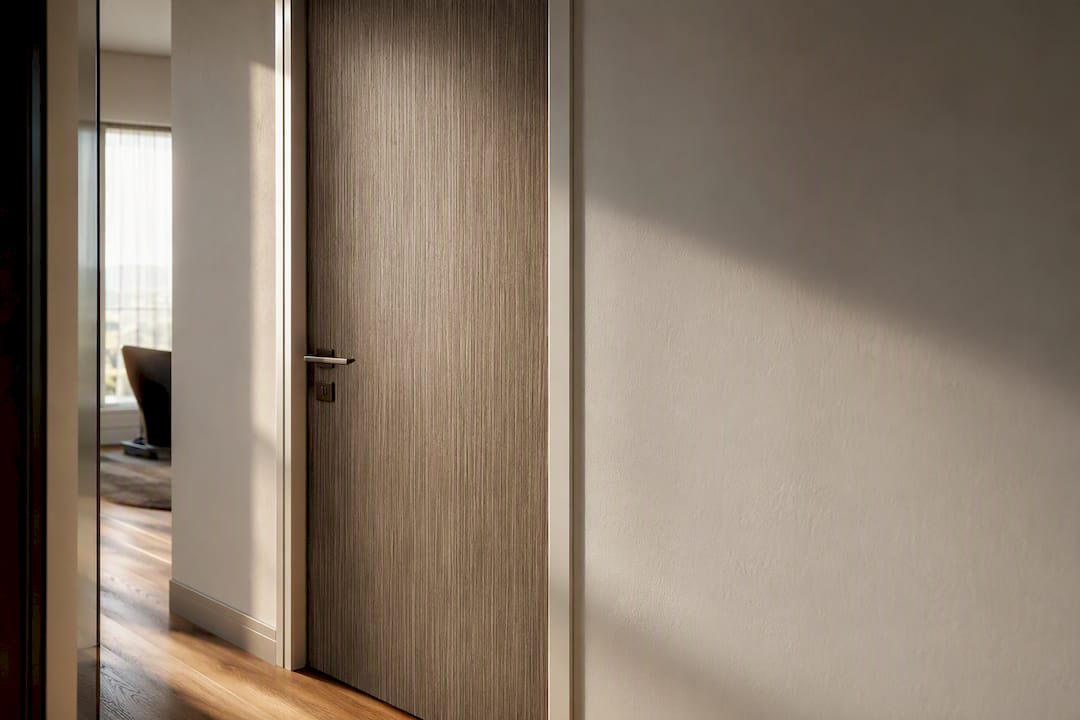
Paint is still the better call for doors with major surface damage, since no film disguises deep gouges or warping. Replacement only makes sense when the door’s hardware, hinges, or core structure has failed, not just its surface.
From a lifecycle standpoint, wrapping an existing door instead of manufacturing and shipping a new one is the lower-waste option in almost every case where the door itself is sound.
— Bodaq
Get the Right Bodaq Film for Your Door Project
Every idea in this guide points back to one decision: matching a finish to the door it’s going on. Bodaq gives you that decision in one place, with a catalog built specifically for this kind of transformation, not a hardware-store rack of a dozen generic wraps.

If a matte black front door caught your eye, start with Onyx. If you’re unifying a hallway, Silver Mist or a wood-grain texture from the collection will do it without looking matchy. For a full look at what’s available before you commit to a roll, download the Bodaq Catalog 2026/2027 or request samples of the Easy Clean (ECF01) finish if your door sees daily wear. Ready to move past browsing? Order swatches or place your first roll through Bodaq’s product catalog and get the exact texture in hand before you measure your door.
Sources
FAQ
How much does it cost to have a door wrapped?
Cost depends on film quality and whether you hire a pro or DIY it. Bodaq lists current pricing by collection on its site, so check the specific finish page for exact figures before budgeting.
How much do door wraps cost compared to painting?
Peel-and-stick decals are typically the cheapest option, architectural film costs more upfront but lasts longer, and professional installation adds labor cost on top of material. Painting is often cheaper per door but can’t replicate texture or pattern the way a wrap can.
Can you vinyl wrap a door?
Yes. Flat and lightly paneled doors are the easiest candidates, while deeply carved or heavily textured doors need extra prep and often a heat gun to avoid bubbling.
How long does door wrapping last?
Architectural film generally outlasts hobby-grade decals thanks to its higher-performance construction, though exact lifespan depends on the film, the door’s exposure to moisture and sun, and how well it was installed.