Hotel corridors take more wear than almost any other space in the building. Luggage, housekeeping carts and room service trolleys hit the same doors, frames and walls every day. Corridors also connect every room on a floor, so closing one takes rooms out of inventory. Traditional renovation adds dust, noise and odors right outside occupied rooms. Architectural interior film refinishes the surfaces you already have while the floor stays open.
This guide is for hotel owners, general managers, asset managers and designers. It covers what to refinish, why film suits occupied floors, a phasing plan, finishes that hold up, and what to check before you start.
What wears out first in a hotel corridor
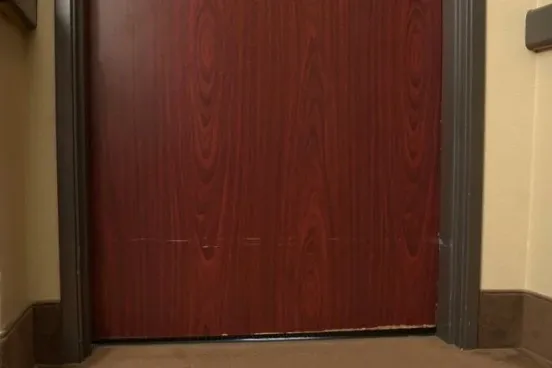
- Guest room doors and frames. Cart strikes, scuffed edges and chipped corners. See our guide to wrapping door jambs.
- Wall panels and lower walls. The strip at cart height takes most of the damage.
- Elevator lobbies on each floor. The first thing guests see when the doors open, including the hall doors and their surrounds.
- Service doors. Linen rooms, ice machine alcoves and stair doors.
Why film suits floors that stay open
- No demolition. Bodaq film applies directly over existing doors, frames and wall panels with minimal prep. Nothing is removed.
- Clean, quiet and odor-free. There is no noise, dust or smell to disturb guests in the next room, which makes it a fit for occupied buildings.
- Fast. On average, refinishing with Bodaq film costs 50% less than a traditional renovation and is up to 50% faster. Rooms can often be finished in a single day.
- Room by room. Many hotels renovate room by room and stay fully operational throughout.
A phasing plan that keeps rooms selling
- Survey. Count the doors, frames, wall runs and elevator lobbies on each floor, and note any damaged surfaces.
- Mock-up. Finish one door, its frame and a stretch of wall, and get sign-off from the owner and the brand before going further.
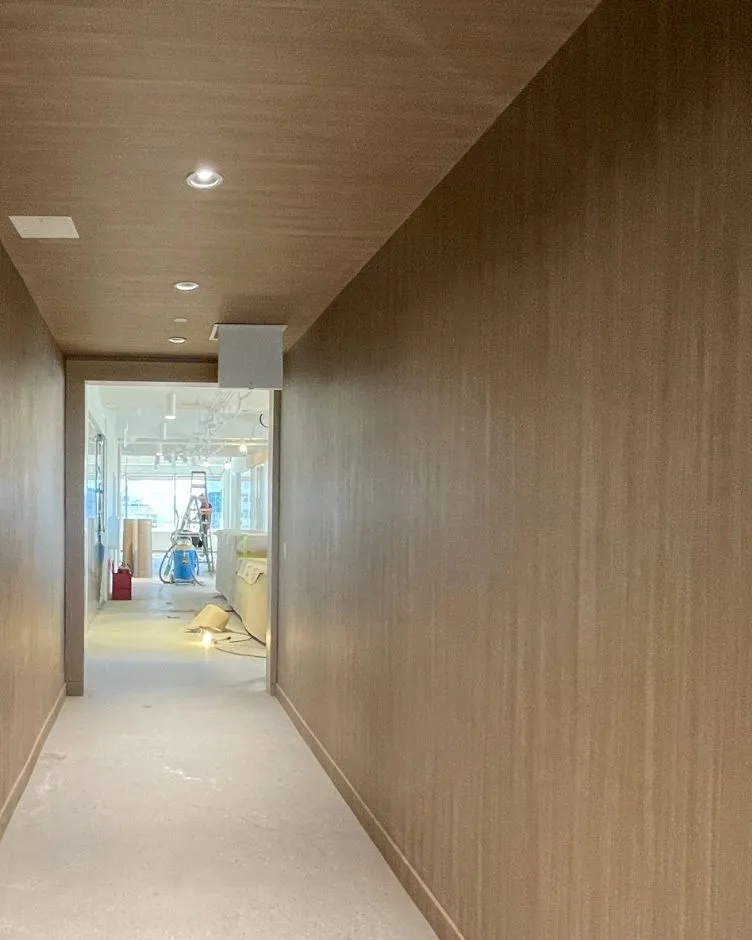
- Work in sections. Split each floor into short runs, so guests can always reach their rooms and only the rooms beside the crew are affected.
- Time it around the guests. Plan the noisier prep and the busiest stretches around check-out and check-in times.
- Sign off floor by floor. Close out each floor before moving up, so open snags never spread across the building.
Finishes that stand up to carts and luggage
Bodaq has more than 450 finishes. For corridors, four directions do most of the work:
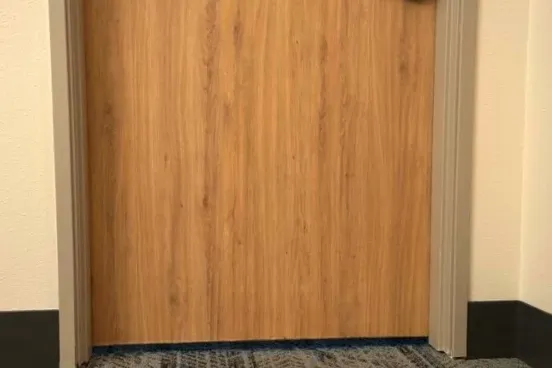
- Wood for doors and frames. Wood finishes such as SPW52 Honey Walnut, one of Bodaq’s best sellers, give guest room doors a warm, finished look.
- Stone for elevator lobbies. A stone or marble such as PM017 Bianco brightens the landing on each floor.
- Solid colors for walls. Solid colors match brand palettes, and mid-tones such as S264 Pebble Grey hide scuffs better than white.
- Fabric textures for wall panels. Fabric finishes such as RF010 Natural Linen soften a long corridor.
Kick plates and corner guards on the busiest doors and corners help any finish last longer. Because every finish has a code, a brand can specify the same film at every property. For more on choosing wall finishes, see high-traffic wall coverings.
What to check before you commit
- Fire rating. Bodaq film is rated Class A under ASTM E84, which helps with brand standards, PIP submittals and the fire marshal.
- Housekeeping products. Bodaq film is moisture-resistant and easy to clean with a mild detergent. Test your own cleaning products on a sample before you sign off.
- Surfaces. Film needs smooth, sound surfaces. Repair swollen, broken or water-damaged areas first.
- Wear. Bodaq film is made for high-traffic commercial spaces, resists scratches, stains and daily wear, and is designed for more than 10 years of use.
Beyond the corridor
The same film can carry on into the lobby, the reception desk, the elevator cabs and the guest rooms, so the whole property is refreshed in one design. For in-room furniture, read hotel casework refacing. For more examples, see how hotels use Bodaq.
FAQ
What is the fastest way to refresh hotel corridors?
Refinish the existing doors, frames and walls with architectural film, one section at a time. There is no demolition, and the floor stays open.
Do we need to close floors?
No. The work is clean, quiet and odor-free, and it moves in short sections, so guests can still reach their rooms.
Is architectural film durable enough for hotel corridors?
Bodaq film is made for high-traffic commercial spaces, resists scratches, stains and daily wear, and is designed for more than 10 years of use.
Does it meet hotel fire requirements?
Bodaq film is rated Class A under ASTM E84. Ask for the documents your brand and fire marshal need before work starts.
Can the same finish be used across several hotels?
Yes. Each finish has its own code, so a brand can specify the same film at every property. Bodaq can scope, supply, install and manage multi-site projects, with certified installers across the USA and Canada.
Need a direct source of Bodaq film? Here we are.
Want to see the finishes in your own corridor first? Contact Bodaq for samples, or send photos and a door count for a quote. For hotel groups and multi-site owners, Bodaq can scope, supply, install and manage the whole project.