The best high-traffic wall covering is one matched to the traffic your space actually sees. In the US that usually means vinyl or a synthetic textile, rated Type II for corridors and public spaces or Type III where carts, chairs and luggage hit the wall every day. Below we explain how those ratings work, which tests matter, how installation affects lifespan, and where an architectural interior film fits in.
TL;DR
- Start with traffic, not color: vinyl and synthetic textiles are the durable, easy-to-clean choice for busy settings, while paper and natural coverings suit light-use rooms.
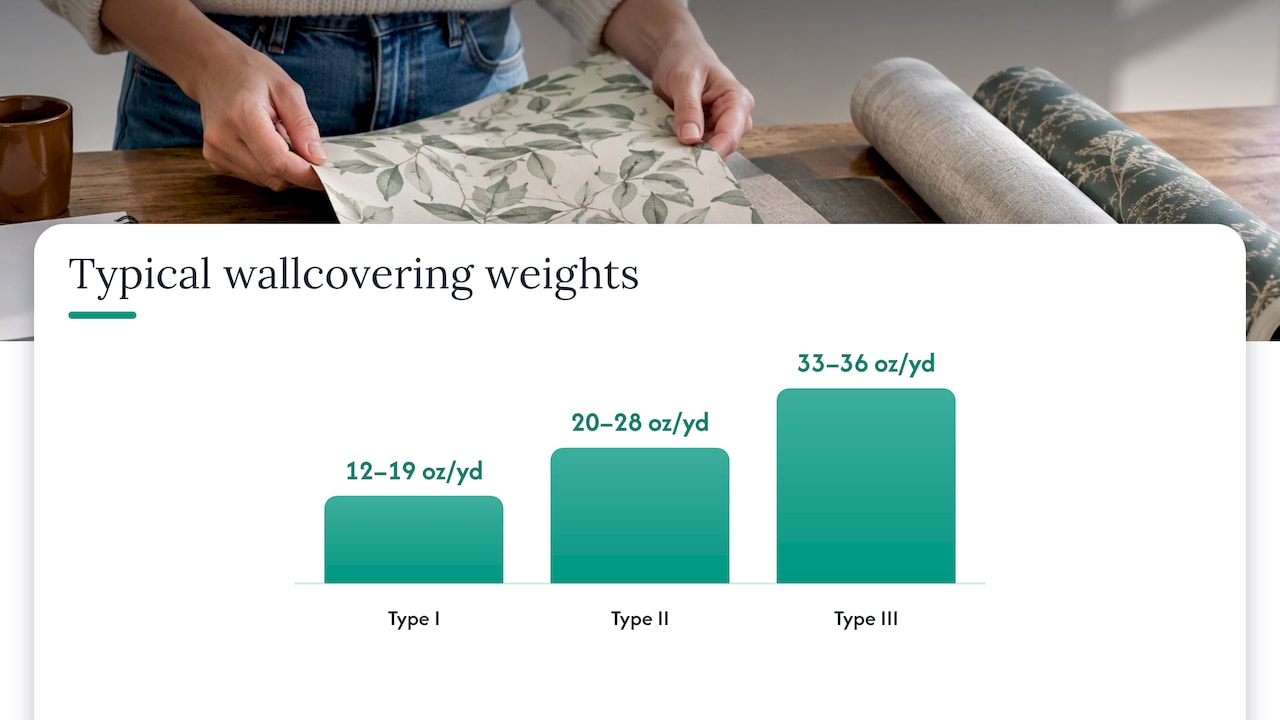
- Type I, II and III describe weight and performance: Type II (about 20–28 oz per linear yard) suits corridors and public areas, and Type III (about 33–36 oz) suits the hardest-working walls.
- Look for scrubbability, stain resistance, abrasion resistance and chemical resistance, not just a “commercial grade” label.
- The substrate and the room’s temperature and humidity at install decide how long any covering lasts.
- Bodaq interior film gives you 450+ textures and colors with a stretchable, self-adhesive format that makes refinishing busy walls fast and low-waste.
Table of Contents
- What makes a wall covering right for a busy space
- 1. Know the Type I, II and III classes
- 2. Choose the material for the job
- 3. Read the tests, not just the label
- 4. Match the covering to the space
- 5. Installation decides how long it lasts
- 6. Cleaning and upkeep
- Wall coverings and dedicated wall protection
- Perspective: why we think film suits working walls
- Refinish busy walls with Bodaq
- FAQ
- Sources
What makes a wall covering right for a busy space
A high-traffic wall takes three kinds of punishment: scuffs and dents from rolling and swinging objects, stains from hands and spills, and repeated cleaning. A good covering has to survive all three without looking tired.
In commercial buildings, the usual culprits are desk chairs, carts and gurneys bumping into walls day after day. Add luggage trolleys in a hotel corridor or strollers in a lobby and the picture is the same. The covering is the first line of defense, so its surface needs to resist abrasion and its color needs to hold up under cleaning.
The Wallcoverings Association (WA) advises choosing according to the amount of traffic first. Hospitals, sporting arenas and schools call for vinyl or synthetic textiles. Low-traffic rooms such as a formal dining room can use more delicate paper or natural materials.
1. Know the Type I, II and III classes
US contract wallcoverings are sorted into three performance types. The WA lists typical weight ranges for each:
| Type | Duty | Typical weight | Where it is used |
|---|---|---|---|
| Type I | Light | 12–19 oz per linear yard | Low-traffic rooms |
| Type II | Medium to heavy | 20–28 oz per linear yard | Corridors, public spaces, waiting areas |
| Type III | Heaviest | 33–36 oz per linear yard | The most heavily trafficked areas |
Those ranges come from the WA’s types and usage guide. Specifiers often work from the federal performance categories behind them, which set minimums for wear and for frequent cleaning.
Why does Type III get specified for the toughest spots? Industry coverage notes it outperforms Types I and II on colorfastness, scrubbability, abrasion resistance, breaking strength, stain resistance and coating adhesion. Type II is the everyday commercial workhorse, a balance of durability and appearance.
Pro tip: match the type to the worst hour of the day, not the average one. A restaurant corridor at closing, a school hallway at the bell, a hotel service corridor with room-service carts: that is the traffic your wall needs to survive.
2. Choose the material for the job
Vinyl and synthetic textiles lead the field for durability. The WA says they offer maximum durability and ease of cleaning, which is why they dominate hospitals, schools and arenas. Textile-faced products can bring a softer, more tailored look, while vinyl offers the broadest range of textures.
Hygiene is part of durability. Performance wallcoverings with non-porous surfaces, such as vinyl that does not absorb moisture, are described as inhospitable to mold and bacteria, and some include built-in antimicrobial agents. Type II commercial vinyl is also described as treated with antimicrobial technologies that inhibit bacterial growth.
Paper and natural wallcoverings are lovely, tactile and organic, but they belong where hands, carts and cleaning sprays rarely reach.
Where film comes in
Architectural interior film is a vinyl-based finish applied directly over an existing surface. That matters for renovations: you refinish the wall in place rather than stripping it back. We built Bodaq to be stretchable and self-adhesive, with air-channeled adhesive that helps installers work cleanly and minimize waste. It wraps walls, doors, columns, elevator surrounds and furniture in the same pattern, so a space looks consistent from the corridor to the cabinetry.
3. Read the tests, not just the label
“Commercial grade” is a marketing phrase until you see the tests behind it. The WA’s polymer-coated fabric standard lists ASTM F793 for durability classification, ASTM E84 for surface burning characteristics and ASTM D1308 for the effect of household chemicals. It also covers properties such as breaking strength, tear, coating adhesion, colorfastness, crocking, stain resistance, washability and scrubbability.
When you compare products, use this checklist:
- Durability classification. Which type does the product meet for the intended use?
- Scrubbability and washability. Commercial Type II vinyl is described as washable with detergent solutions, scrubbable, and resistant to stains such as grease, butter and coffee.
- Chemical resistance. Commercial coverings are described as tested for chemical resistance and scrub durability so they withstand repeated cleaning cycles.
- Fire performance. Surface burning is rated under ASTM E84, and the class you need depends on the room and the code. Our guide to ASTM E84 wall finishes for U.S. architects walks through how that plays out under the International Building Code.
- Colorfastness. Bright light and frequent cleaning fade weak finishes first.
Keep the project’s written specification beside the product documentation. Rooms such as healthcare corridors have extra requirements, and our healthcare wall finishes guide shows how to specify them.
4. Match the covering to the space
Different buildings stress walls differently. Here is how we think through the common ones.
Hospitality. Hotel corridors, elevator lobbies and restaurants need an inviting look and quick turnaround. Closing a floor for a long renovation costs revenue, which is why many operators prefer finishes that can be applied with minimal disruption. In dining rooms, film can carry the style while kitchens call for harder surfaces, a split we cover in our restaurant wall covering guide.
Healthcare. Walls need to be cleanable and hygienic, and they take constant cart contact. Our guide to hospital wall finish options compares seven materials and shows when film fits.
Offices and retail. Reception areas, break rooms and fitting-room corridors benefit from brand-consistent color and texture. A solid color or a wood grain across a long corridor reads as intentional, tailored design.
Homes. Entryways, mudrooms, kids’ rooms and staircases take the most abuse. Even though residential coverings can be used in some contract settings such as assisted living, per the WA, the principle is the same: pick a tough, wipeable surface where hands and bags touch the wall.
For more examples, see our overview of architectural vinyl applications.
5. Installation decides how long it lasts
The best product still fails on a bad install. Three habits make the difference.
- Prepare the substrate. Walls should be sound, clean and smooth. Texture, dust or loose paint telegraphs through the finish or lets it release.
- Control the environment. A US gypsum-board finishing guide says wallcoverings should go in only where temperature and humidity of the room and substrate stay within the manufacturer’s recommended ranges. If temporary heat is used, it should run until ambient temperature reaches 65°F and be maintained for at least three weeks after the last strip goes up.
- Keep moisture out. Non-porous vinyl does not absorb water, but the same source reports that it will not prevent mold if moisture is allowed to collect behind it. Fix leaks first.
Our article on what makes interior film last goes deeper on surface prep, seams and edges.
6. Cleaning and upkeep
Simple routines extend service life. Industry coverage describes maintenance of vinyl and textile coverings as simple, with soap and water or spray cleaners. Use a soft cloth, work from the top down, and follow the manufacturer’s cleaning guidance for the specific product, especially around disinfectants.
For Bodaq film, follow the care instructions provided with your order. Treat a damaged panel promptly so that an edge lift or scratch does not spread.
Wall coverings and dedicated wall protection
In the busiest corridors, many buildings combine a covering with purpose-built protection such as rails or sheet panels at cart height. Protection products take the heavy impacts, and the covering supplies color, texture and continuity everywhere else. If your layout has a known impact line, such as a bed-height rail in a care facility, plan the covering to run above and beside it so the whole wall reads as one design.
Perspective: why we think film suits working walls
We design interior surfaces to look sculptural and feel durable, and the two goals belong together. A busy wall should not force you to choose between a design you love and a finish that survives Monday morning.
Film changes the renovation math. Because Bodaq is stretchable and self-adhesive, it follows curves, returns and edges that are awkward for traditional wallcovering. Its air-channeled adhesive is designed to help installers get a clean, bubble-free application, and the format is designed to minimize waste. For a property manager, that means refreshing a corridor with less mess and less downtime. For a designer, it means one pattern can travel across walls, doors and millwork.
Choice matters too. With over 450 textures and colors across wood, metal, stone and marble, solid colors, and fabric and leather, you can bring warmth, depth and a bold or quiet mood into a heavily used room. We also work to meet eco-friendly standards, so a durable finish does not have to be a careless one.
Our advice: choose the finish for the hardest hour of use, specify it against the tests your project requires, and put as much care into the substrate as into the color.
Bodaq
Refinish busy walls with Bodaq
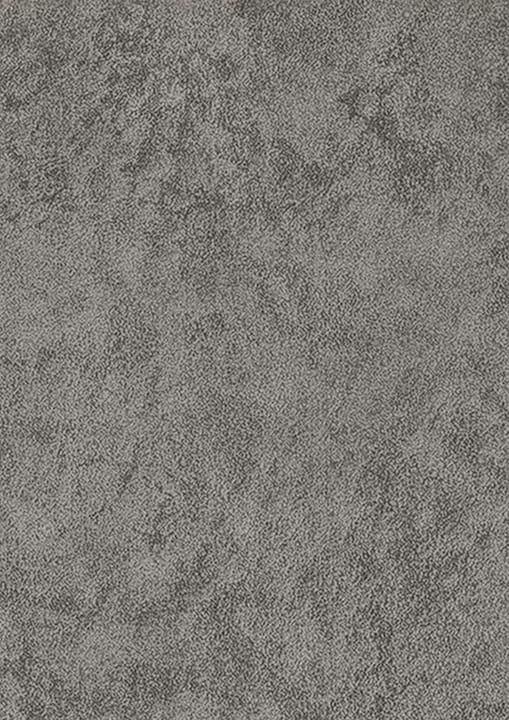
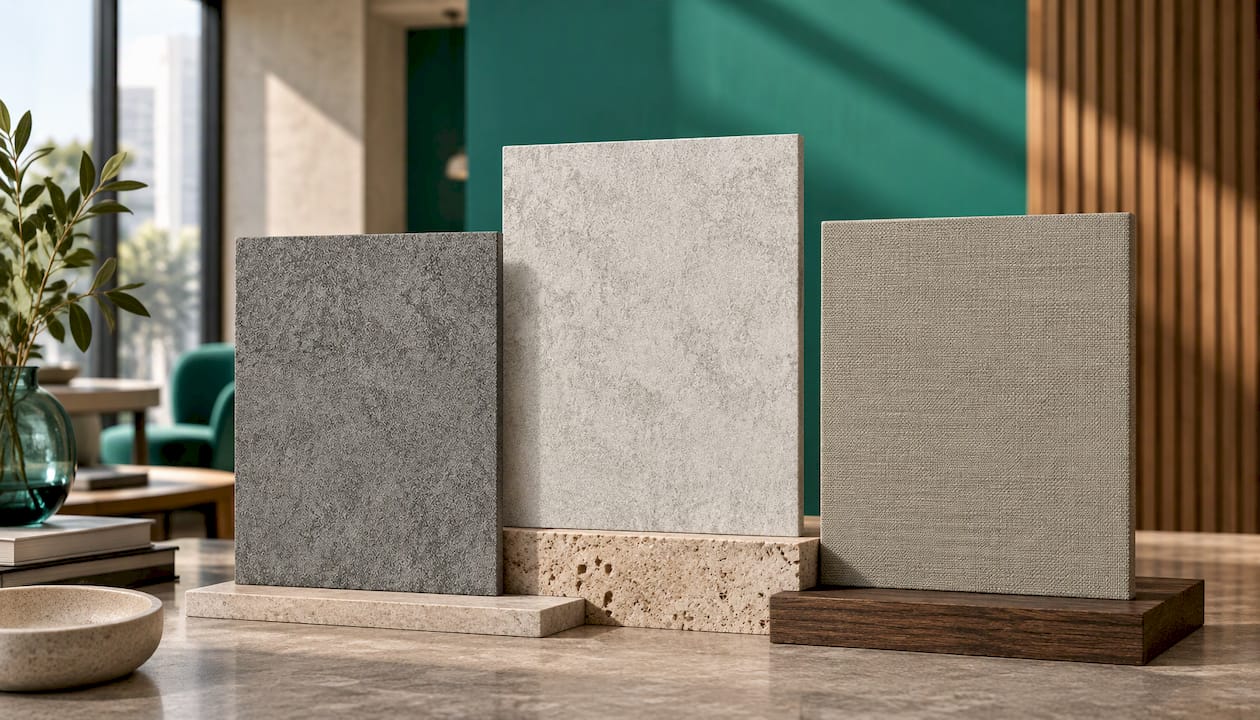
If you are renovating a corridor, lobby, guest room or retail space, explore the full Bodaq interior film range across wood, metal, stone and marble, solid colors, and fabric and leather. For concrete looks that suit modern commercial interiors, start with Wild Concrete EXF53 or Deep Wild Concrete EXF54. For a textile feel, look at Carbon Woven SF804. We also offer samples, installation tools and certified installer training.
Visit bodaq.com to request samples or start a quotation.
FAQ
What is the most durable wall covering for high-traffic areas?
Vinyl and synthetic textiles are the most durable categories, according to the Wallcoverings Association. Within them, Type III is the heaviest-duty class, and Type II covers most corridors and public spaces. Choose the class by how rough the traffic is.
What does Type II versus Type III mean?
They are performance classes tied to weight and wear. Type II is typically 20–28 oz per linear yard and Type III is typically 33–36 oz, per the WA. Type III is specified where regular impact and abrasion are expected.
Can a wall covering resist impact?
A tough vinyl or textile covering resists scuffs, dings and scratches from everyday contact. For repeated hard impacts at a known height, many buildings add dedicated protection and use the covering for the rest of the wall. Match the combination to your traffic.
How do I keep a high-traffic wall covering clean?
Wash with soap and water or a spray cleaner suited to the product, as industry coverage describes. Work gently, follow the manufacturer’s guidance on disinfectants, and repair damage early so it does not spread.
Sources
- Types and Usage, Wallcoverings Association
- Three Considerations for Specifying Wallcoverings, Buildings.com
- Creating Sanitary Walls with Wallcoverings Engineered for Cleanability, Interior & Sources
- Built to Withstand, Designed to Impress: The Wallcoverings Doing It All
- WA Quality Standard for Polymer Coated Fabric Wallcovering
- The Interior Guide, Painting Contractors Association