A wall wrap lasts as long as its weakest link: the film’s construction, the surface beneath it, or the way it was installed. Get all three right and an architectural interior film can take years of daily wear in a lobby, a hotel corridor or a family kitchen. Get one wrong and even an excellent film can lift at the edges within months.
This guide breaks down what durability means for interior wall wraps (not car wraps, which answer a very different set of questions), which specs to ask for, and how to protect your investment from the first day.
TL;DR
- Durability comes from three things: film engineering (face print, emboss, adhesive), substrate preparation, and installation quality. Skip any one and the others cannot compensate.
- Ask for test reports, not adjectives. Abrasion, stain, scratch, moisture and fire data should be tied to the exact product series you are specifying.
- Bodaq interior film is 0.2 mm (8 mil) thick, has a 3H pencil hardness, and is rated Class A under ASTM E84 for U.S. interior use.
- The adhesive needs 3 to 7 days to reach full bond strength, so keep heavy cleaning and hard contact away from fresh installs.
- Most failures trace back to skipped primer or a dirty, unsound surface, not to the film itself.
Table of Contents
- What “wall wrap durability” actually means
- The film itself: thickness, hardness and chemistry
- Substrate prep decides more than the film does
- Installation: where good film gets made or ruined
- Test reports worth asking for
- Where wall wraps face the toughest tests
- How to care for a wrapped wall
- Our perspective: durability is a system
- Choosing a finish that wears well
- Ready to specify?
- FAQ
- Sources
What “wall wrap durability” actually means
Search for this phrase and you will mostly find vehicle wrap advice. Car wraps fight UV, road grit and car washes, and the commonly quoted lifespan is around five to seven years. Interior walls are a different environment. There is no weather, but there are shoulders, luggage carts, chair backs, cleaning chemicals, spilled coffee and thousands of hands.
So for interior film, durability is really a bundle of separate properties:
- Abrasion and scratch resistance: how the surface handles scuffs and fingernails.
- Stain and chemical resistance: how it copes with food, beverages and cleaners.
- Adhesion: whether the film stays bonded at edges, corners and seams.
- Moisture tolerance: how it behaves near sinks, showers and humid kitchens.
- Fire performance: whether it is allowed in the building at all.
- Appearance retention: whether color and texture still look right after a few years.
A film that scores well on one and poorly on another is not durable in any meaningful sense. That is why we encourage designers to build a short checklist and match it to the room.
The film itself: thickness, hardness and chemistry
The difference between a bargain roll and a premium architectural film is engineering, not just price. According to Bodaq’s published performance data, our interior film is a PVC film with an acrylic pressure-sensitive adhesive, measuring 0.2 mm (8 mil) thick. The same page lists a pencil hardness of 3H, and reports that the film showed no visible change after 24 hours of contact with coffee, cola, soy sauce and ethanol.
Those numbers matter because they are measurable. A pencil hardness rating tells you how the surface responds to a scratching tool under a standard method, and a 24-hour stain test is a far tougher standard than a quick wipe after a spill.
The film’s construction has three layers of engineering worth understanding:
- The face print. This carries the color and pattern. A well-built print holds its look under cleaning and light contact.
- The emboss. The tactile texture on wood grain, stone or fabric looks like the real material, and it also helps hide minor wear.
- The adhesive structure. Pressure-sensitive acrylic bonds as you apply pressure, then builds strength over time. Bodaq’s adhesive also uses air channels, which let trapped air escape and cut down on bubbles, one of the most common early failure points.
Because our film is stretchable, it conforms around curves, returns and profiles without being forced. Film that is pulled tight over a tricky detail tends to creep back later, so a material that relaxes into the shape is a durability feature as well as an installation convenience.
Substrate prep decides more than the film does
If we could print one rule on every roll, it would be this: the adhesive can only be as good as the surface it grips. Practitioners consistently name the same oversight. Bodaq’s performance guidance points out that skipping primer or failing to prepare the substrate is the most common cause of failure, whether the surface is drywall, metal or wood. If the surface is not structurally sound and clean, the adhesive will let go regardless of the film’s quality.
That guidance also warns against applying vinyl over oil-based paint without proper remediation, since the paint can interfere with bonding.
Here is what good prep looks like in practice:
- Check soundness. Flaking paint, crumbling plaster and loose drywall tape will all telegraph through or pull away. Repair them first.
- Clean thoroughly. Dust, grease and old residue weaken the bond. Let the surface dry fully.
- Fill and sand. Emboss and texture hide minor flaws, but dents, gouges and ridges can still show, especially in solid colors under raking light.
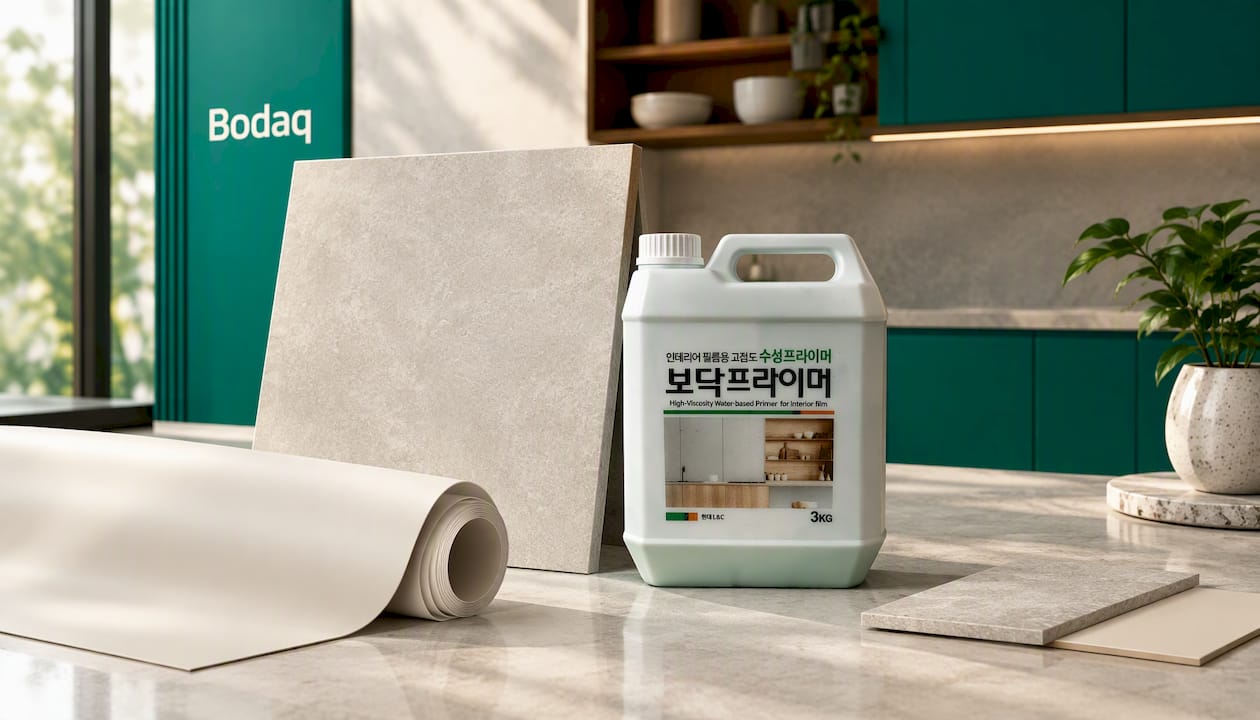
- Prime where needed. Porous or uneven surfaces benefit from a primer. We offer a Bodaq water-based primer for exactly this step.
- Match film to substrate. Wood, metal, laminate and painted drywall behave differently. Our guide on matching film grade to substrate walks through the pairings.
Installation: where good film gets made or ruined
Even the best wall wrap needs careful hands. The first 3 to 7 days matter most, because the acrylic adhesive takes that long to reach full bond strength. During that window, avoid aggressive cleaning, steam, and hard contact along edges and corners.
A few installation habits protect longevity:
- Work in a stable environment. Avoid extremes of temperature and humidity while applying.
- Use proper tools. Squeegees, knifeless tape and a heat source make for tighter edges and cleaner trimming.
- Post-heat the edges and recesses. Heating stretched areas resets the film’s memory so it does not retreat. Our 30 second post-heat method explains how.
- Plan seams. Place them where they are least visible and match patterns carefully.
For a full walkthrough, see our step-by-step guide to installing architectural vinyl film.
When to hire a professional
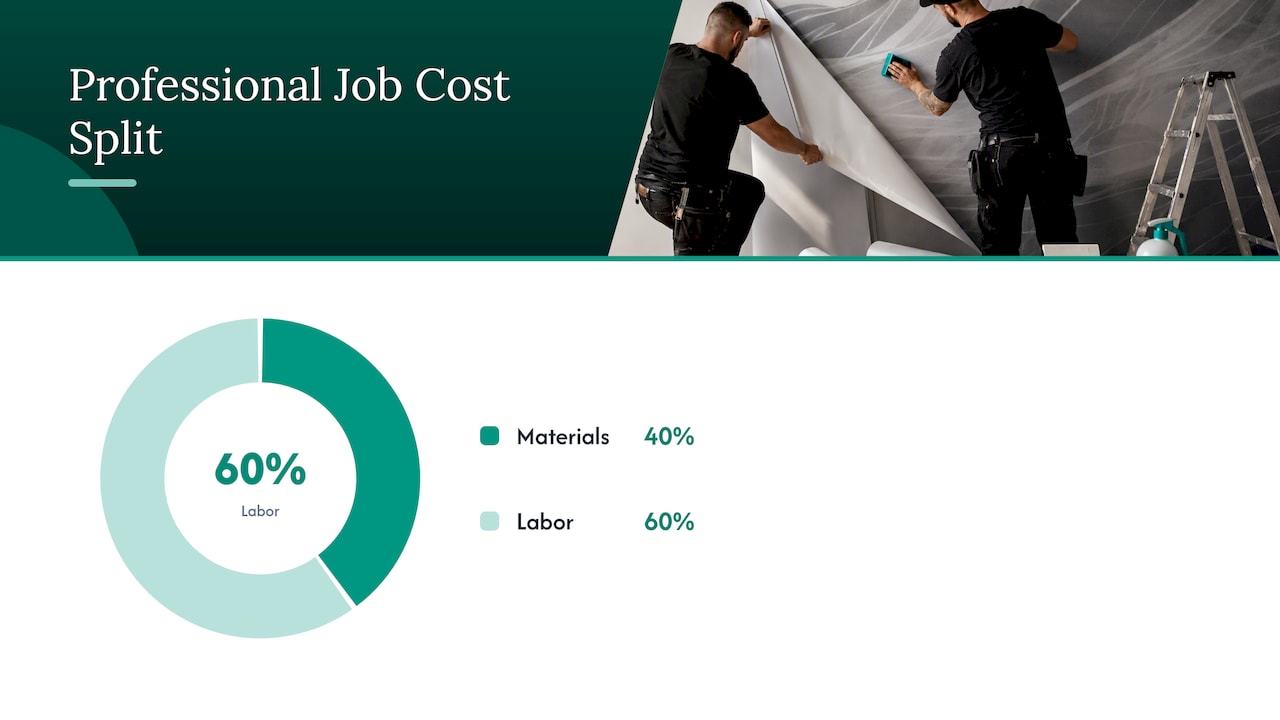
Many wall coverings are marketed as easy to apply, but scale and complexity change the picture. Extension guidance on selecting wall coverings notes that materials needing special skills usually call for a professional, and it estimates that a professional job splits roughly 40 percent materials and 60 percent labor. Seam handling and pattern matching, especially with textured or patterned films, are where an experienced installer earns that labor share. For large commercial runs, that skill is cheap insurance against early failure. If you want certified installers or training, ask us about our certification program.
Test reports worth asking for
Marketing language is easy; test data is not. Our technical team’s advice to specifiers is to look for validated test reports rather than claims alone. Here is how the main categories line up and where to dig deeper.
| Property | What to ask for | Where to look |
|---|---|---|
| Fire performance | ASTM E84 report for your specific pattern series | Bodaq fire ratings guide, ASTM E84 article |
| Scratch resistance | ASTM D3363 pencil hardness result | Scratch resistant wall finishes |
| Stain resistance | ASTM D4828 and D3450 results | Stain resistant surfaces |
| Moisture | Adhesion after humidity exposure | 48 hour adhesion test |
The fire rating detail designers miss
According to our fire ratings guide, the full range of Bodaq interior film finishes sold in the United States carries a Class A result under ASTM E84 for interior use. But reports are issued per pattern series (for example NS, W, LF, RM, PZ and SPW), not for the whole catalog. When an Authority Having Jurisdiction asks for documentation during inspection, you need the report for the series you actually chose. Request it before you finalize the specification, not the week of the walkthrough.
Where wall wraps face the toughest tests
Durability expectations shift by room. Here is how we think about the most demanding spaces.
Hotel corridors and elevator lobbies
Luggage carts and room service trays are brutal on wall finishes. A harder surface (3H pencil hardness) and a forgiving emboss help, and corner guards add protection at the hit points. The bigger advantage for hospitality is speed: a wrap can be installed in far less time than demolition and rebuild, so rooms and corridors come back online quickly.
Restaurants, cafes and kitchens
Grease, steam and frequent wipe-downs are the test here. Stain data against coffee, cola and soy sauce is encouraging, but grease-heavy zones directly behind cooking equipment call for caution and should be discussed with us before you commit.
Offices, retail and healthcare-adjacent spaces
High foot traffic and regular cleaning put a premium on abrasion and chemical performance. Ask for the data that matches your cleaning regimen, and confirm the fire report for your pattern series. For budgeting across a large property, our piece on commercial wall wrap cost is a helpful companion.
Homes
Family rooms, hallways and stairwells take the most abuse in a house. Wood-look and solid color finishes are popular on feature walls, doors and cabinetry, and they hold up well when the substrate has been prepped properly.
How to care for a wrapped wall
A wrap that is installed well still benefits from sensible habits.
- Wait for full cure. Give the adhesive 3 to 7 days before any hard cleaning.
- Start gentle. Use a soft cloth with mild soap and water. Test any stronger cleaner on an inconspicuous spot first.
- Wipe spills promptly. Even a film that passed 24-hour stain tests lasts longer when spills do not sit.
- Avoid abrasive pads and sharp tools. They defeat the purpose of a hard surface.
- Keep heat sources away. Direct heat near edges can soften the adhesive.
- Repair small lifts early. A lifted corner caught in week two is a five-minute fix. In year two it may be a panel.
Our perspective: durability is a system
We talk to designers, property managers and installers every week, and the same pattern keeps showing up. When a wrap disappoints, the story is rarely “the film was bad.” It is a damp wall that was never checked, a primer that was skipped to save an hour, an oil-based paint nobody mentioned, or a spec that cited a fire report for the wrong series.
That is why we build around the whole system. The film is engineered with a robust face print, emboss and adhesive structure. The air-channeled adhesive and stretchability make clean installation more forgiving. The catalog of more than 450 textures and colors means you can match a look without compromising on performance. And we publish performance data so you can verify our claims instead of taking our word for it.
Our advice: choose the finish you love, then work backward. Pick the series, request its report, prep the substrate as though the film were going to be inspected (it might be), and install with patience. A wrap treated like a system can look sharp for years, and it gives you the freedom to refresh a space again without tearing out the walls.
— Bodaq
Choosing a finish that wears well
Durability and beauty are not trade-offs. Some practical pointers by collection:
- Wood: the grain pattern and emboss camouflage everyday scuffs, which makes it a strong choice for corridors and doors.
- Stone and marble: a rich look for reception areas and feature walls, such as Rustic Stone EXF52.
- Metal: a sleek contemporary look. Fine detail rewards careful prep, since a metallic surface shows imperfections.
- Fabric and leather: warm, tactile and sculptural, and good for acoustic-feeling spaces.
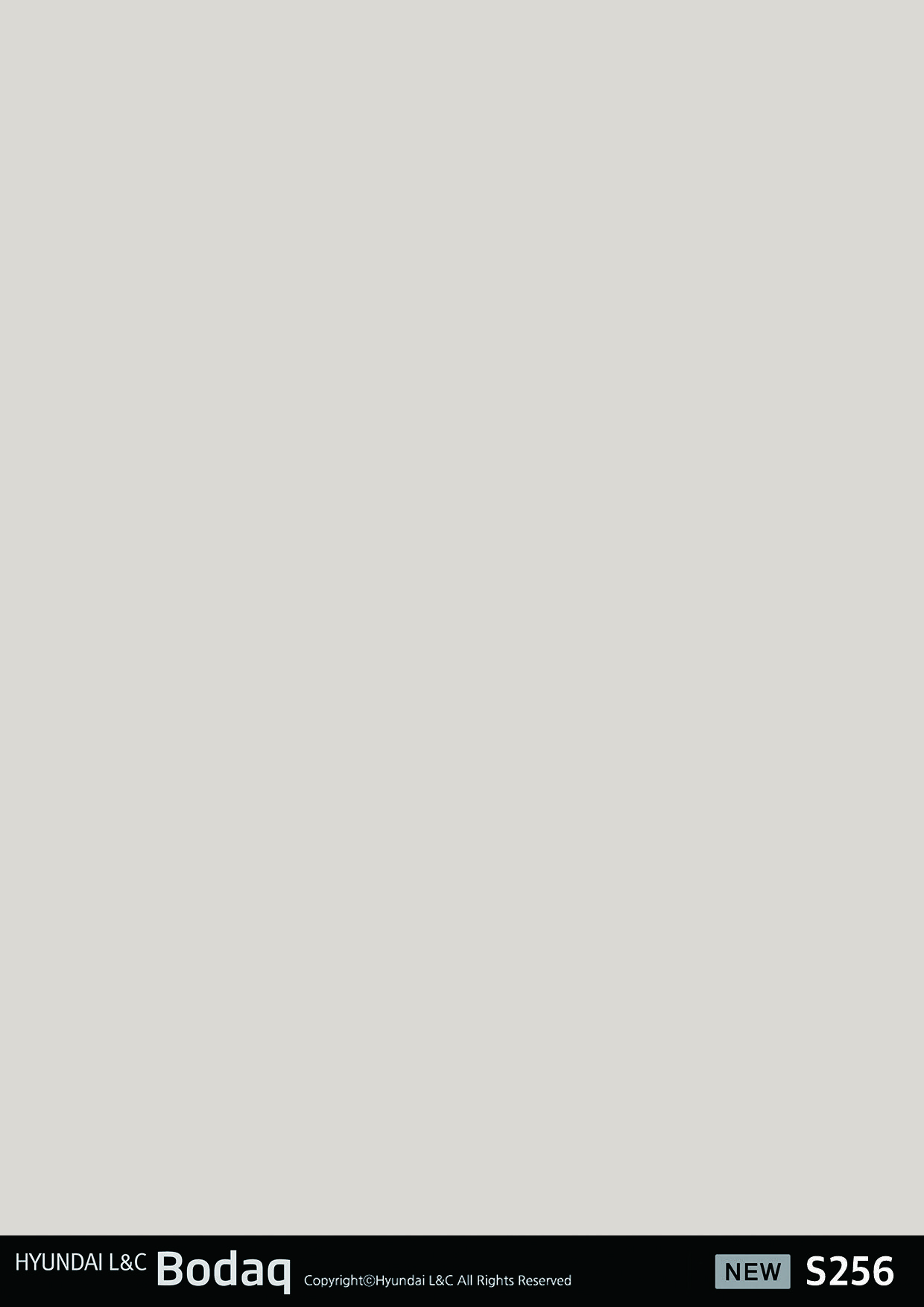
- Solid colors: bold and clean, like Warm Alabaster S256. Because they are smooth and uniform, they demand the best surface prep.
If you are unsure how a finish will look and perform in your light and space, request samples before you order. Seeing the film on your own wall is the best durability test of all.
Ready to specify?
Bodaq offers interior film in five collections (Wood, Metal, Stone & Marble, Solid Colors, and Fabric & Leather), plus installation tools, samples, dealer kits and certified installer training. Browse the full collections to find a finish, or start from our main U.S. site to request samples and a quotation. Pricing is not published online, so tell us about your project size and substrate and we will help you scope it.
FAQ
How long does an interior wall wrap last?
There is no single number, because lifespan depends on the film, the surface prep, the installation and the traffic in the room. Vehicle wraps are often quoted at five to seven years, but interior walls face different stresses. We recommend asking for test data and a warranty statement for your specific product and use, and treating prep as non-negotiable.
Can I apply a wall wrap over any wall?
Not without checking it first. The surface must be sound, clean and dry, and primed where needed. Bodaq’s guidance specifically warns against applying vinyl over oil-based paint without proper remediation. If you are unsure, test a small area and talk to us before starting.
Is wall wrap fire rated?
Every Bodaq interior film finish sold in the U.S. carries a Class A result under ASTM E84 for interior use. Reports are issued per pattern series, so request the one that matches your chosen finish and give it to your inspector or AHJ.
How much does professional wall wrap installation cost?
Labor is the largest share. Extension guidance on wall coverings estimates about 60 percent labor and 40 percent materials for a professional job, though your actual quote depends on scale, surface and pattern complexity. Bodaq does not publish film prices online, so contact us for a quotation.
Sources
- Bodaq Performance, Fire & Material Data
- Bodaq Fire Ratings: ASTM E84 Class A
- FCS4-402: Selecting Wall Coverings (University of Kentucky Extension)